


Conveyor Idler
Your Professional Conveyor Idler Manufacturer!
Cangzhou Hongpeng Conveying Machinery Manufacturing Co., Ltd. has a professional conveying machinery design studio. All engineering projects are designed using CAD to ensure that customers are provided with a full range of high-quality products and services from design, manufacturing to on-site installation, commissioning and after-sales service. Our company is a professional manufacturer of various belt conveyors such as TD75, DTII, DTII (A), SSJ, DSJ, DTC, DTL, corrugated large-angle, DY mobile, and various metallurgical and mining machinery.
-
 Conveyor Belt Tracking IdlerThe conveyor belt tracking idler is a pivotal self-correcting assembly for belt conveyor systems. Relying on mechanical pivot and friction triggering structure, it automatically rectifies beltAdd to Inquiry
 -
 Conveyor Belt Return RollerThe conveyor belt return roller is core supporting component installed on the bottom return strand of belt conveyor systems. It bears the weight of unloaded returning belt, effectively restrain beltAdd to Inquiry
 -
 Belt Conveyor Idler RollerThe belt conveyor idler roller is indispensable passive supporting component for belt conveyor systems. It bears the weight of conveyor belt and bulk materials, ensures smooth belt running, lowersAdd to Inquiry
 -
 Conveyor Carrying RollerA carrying roller made with a precision steel tube, sealed bearing seat, and smooth running surface for belt load support. The conveyor carrying roller is sized by belt width, shaft end, and loadedAdd to Inquiry
 -
 Quarry Conveyor RollersSteel tube roller set with precision bearings, labyrinth sealing, and optional rubber coating for quarry belt conveyors. The quarry conveyor rollers are matched to stone size, belt loading area, andAdd to Inquiry
 -
 Idler Rollers For Belt ConveyorSupport rollers for belt conveyor systems, used to carry the belt and material load along the frame for idler rollers for belt conveyor.They can be made for carrying, return, troughing, impact, orAdd to Inquiry
 -
 Rubber Disc Return RollerA rubber disc return roller is a return-side roller with rubber discs on the tube, made for belts that bring back dust or sticky fines.The spaced discs help clean the belt contact area and reduceAdd to Inquiry
 -
 Return Rollers For ConveyorsUsed under the belt to support the empty return side and keep the belt from sagging for return rollers for conveyors.The roller can be flat, rubber covered, spiral, or made with other forms for dustyAdd to Inquiry
 -
 Belt Conveyor Return RollerThis conveyor part is made for belt conveyors that cannot afford loose running or frequent stoppage. In our workshop.Add to Inquiry
 -
 Belt Conveyor IdlersThis conveyor part is made for belt conveyors that cannot afford loose running or frequent stoppage. In our workshop.Its main value is practical rather than decorative: steady rotation, easyAdd to Inquiry
 -
 Return Roller For Conveyor BeltThis conveyor part is made for belt conveyors that cannot afford loose running or frequent stoppage. Its main value is practical rather than decorative: steady rotation, easy replacement and a sizeAdd to Inquiry
 -
 Drive Rollers For Beltdrive rollers for beltare are mainly used to transmit power or support the operation of conveyor belts. The advantages of rollers are reflected in their efficient load-bearing capacity andAdd to Inquiry


Why Choose Us
High Quality
We maintain a rigorous control process from raw material testing to finished product shipment, and our products are ISO9001 and CE certified.We adhere to technological innovation and continuously optimize product performance, striving to provide more reliable and efficient conveyor machinery parts to customers worldwide.
Advanced Equipment
Our company utilizes advanced CNC machining centers, laser calibration equipment, and automated production lines to ensure micron-level precision in core components such as rollers and drums, meeting the stringent requirements of heavy industries such as mining, port, and metallurgy.
Production Market
Our company has been supplying belt conveyors, rollers, drums, roller supports and other products to more than 130 coal mines, mining and other well-known enterprises for a long time, with annual sales exceeding 100 million yuan.
Our Services
Our company provides long-term warranty service for the products we sell. During the warranty period, we will repair equipment and replace parts for customers free of charge. Outside the warranty period, the company will still provide customers with high-quality after-sales service at preferential prices to ensure the continuous and stable operation of the equipment.
Specification
|
Diameter |
Φ89, Φ102, Φφ108, Φ114, Φ127, Φ133, Φ139, Φ152, Φ159, Φ165, Φ194 |
|
Length |
145mm-2800mm |
|
Shaft |
A3 and 45# steel |
|
Shell |
Q235(GB), Q345(GB), welded with DIN2394 standed |
|
Bearing |
6204/6205/6305/6206/6306/6307/6308/6309/6310 |
|
Working Life |
More than 30000hours |
Advantages of Conveyor Idler
Reduced Friction and Wear
Idlers reduce friction between the belt and the conveyor structure, minimizing wear and tear on both components. This leads to longer belt life and reduced maintenance costs.
Improved Belt Support
Idlers provide crucial support for the conveyor belt, preventing sagging and ensuring a smooth, even surface for material transport.
Enhanced Material Handling
By supporting the belt and minimizing friction, idlers contribute to efficient material handling, reducing the risk of spills and maximizing throughput.
Belt Alignment and Tracking
Idlers play a vital role in keeping the belt aligned and centered, preventing issues like belt wandering and ensuring consistent material flow.
Reduced Downtime
By minimizing wear, reducing friction, and maintaining belt alignment, idlers contribute to fewer breakdowns and less downtime for maintenance.
Versatility
Idlers come in various types, including troughing idlers, return idlers, and impact idlers, each designed for specific functions within the conveyor system.
Mining: Idler conveyors are extensively used in the mining industry to transport bulk materials like coal, ore, and aggregates. Their robust construction and ability to handle heavy loads make them ideal for this demanding environment.
Manufacturing: In manufacturing plants, idler conveyors facilitate the movement of products and materials along production lines. They are essential for maintaining efficient workflows and reducing manual handling.
Agriculture: Idler conveyors are used in agricultural operations to transport grains, seeds, and other bulk materials. Their ability to operate in outdoor and dusty conditions makes them suitable for this sector.
Construction: In construction sites, idler conveyors are used to move building materials such as sand, gravel, and cement. Their durability and ability to handle heavy materials make them a valuable asset.
Food Processing: In the food processing industry, idler conveyors are used to transport raw ingredients and finished products. They are designed to meet hygiene standards and ensure the safe handling of food items.
Recycling: Idler conveyors play a crucial role in recycling operations by transporting recyclable materials like paper, plastic, and metal. Their efficiency and reliability help streamline the sorting and processing of recyclables.

Types of Conveyor Idler
Trough Idlers
Trough idlers are the most common type of carry idler, which are typically designed with 3 or 5 idler rollers and are fitted to the carry-side of the conveyor belt. The 5-roll idler offers more uniform cross section, resulting in a greater net carrying capacity. The 3-roll design has a centre idler roll and wing idlers on either side.
Flat Return Idlers
Flat return idlers are the most common idler on the return side of a conveyor with single steel mounted on two drop brackets. The purpose of using a flat return idler is to support the belt from the return side to prevent stretching, sagging and failure of the belt, which increases the service life of the conveyor belt.
Impact Idlers
Impact idlers are designed for loading areas of the belt, where belt damage is common due to the falling material and consistent impacts. Impact rollers absorb impact forces helping prevent damage to the conveyor belt, idler frame and surrounding structure from occurring.
Training Return Idlers
Training return idlers detect belt misalignment and correct it, ensuring the belt tracks accurately at the tail end of the conveyor during operations.
Housing: The complete inner body or bearing chamber inside the roller. It creates an air-tight seal for guarding the idler’s inner components out to the head. Optimal housing will ensure perfect concentricity to achieve desired performance and prolong roller life.
Bearings: The resistance to radial and axial loads. Bearings made with 2RS ball bearings will support high performance with little to no maintenance or regreasing.
Shafts
Premium cold-rolled steel slotted to secure the idler to the frame. Idlers’ shaft sizes will differ according to their CEMA class.
Seals
Durable rubber that protects the bearing and shaft from dust, moisture, and other fines and contaminants.
Snap rings
For locking seals and bearings in a stationary position to reduce wear.
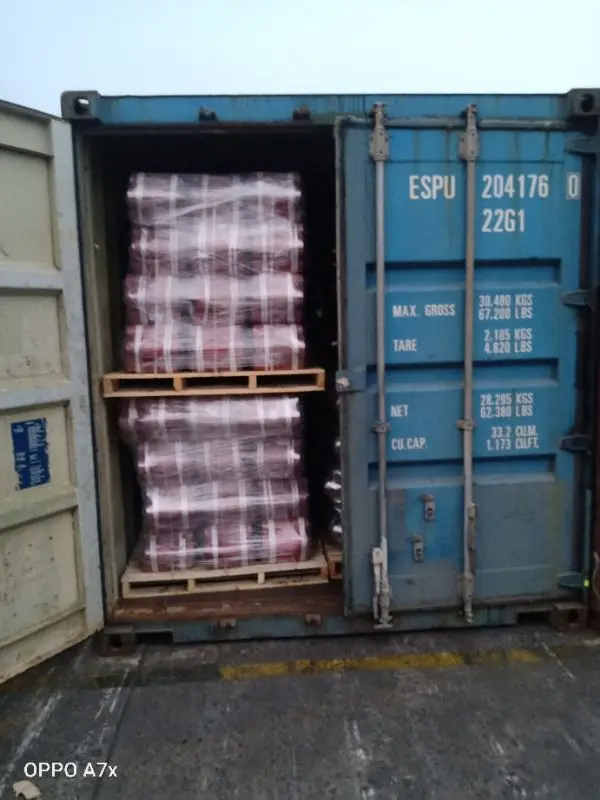
Packaging and Shipping

FAQ
We're professional conveyor idler manufacturers and suppliers in China, specialized in providing high quality custom service. We warmly welcome you to buy conveyor idler for sale here from our factory. For price consultation, contact us.
types of conveyor idlers, conveyor idler price, rubber disc return idlers