

Hey there! As a supplier of idlers and rollers, I often get asked about the maintenance intervals for these crucial components. In this blog, I'll share some insights based on my experience in the industry and what I've learned from working with various conveyor systems.
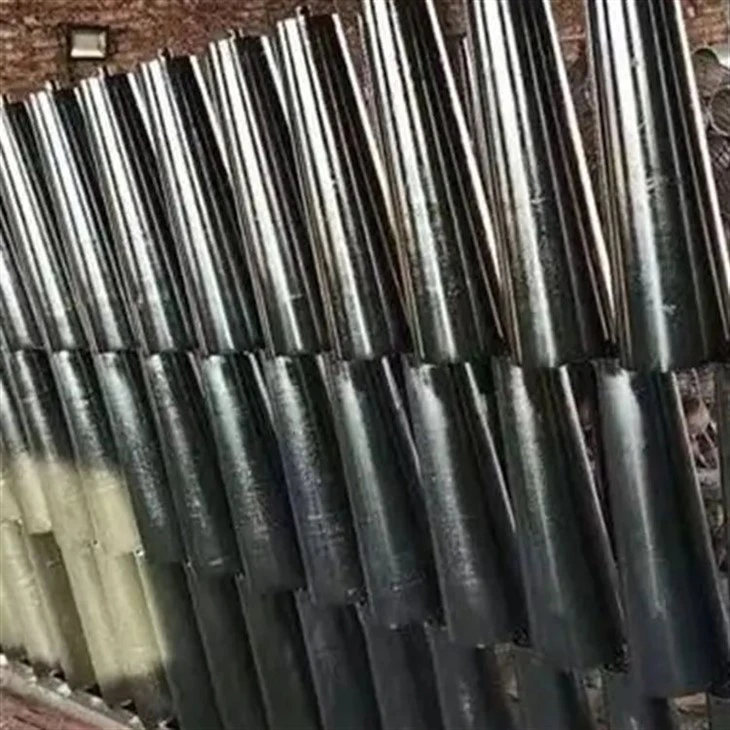

Let's start by understanding why maintenance intervals matter. Idlers and rollers play a vital role in the smooth operation of conveyor belts. They support the belt, reduce friction, and ensure proper alignment. Over time, though, they can wear out due to factors like continuous use, dust, and harsh operating conditions. Regular maintenance helps prevent breakdowns, extends the lifespan of the idlers and rollers, and keeps your conveyor system running efficiently.
Factors Affecting Maintenance Intervals
There are several factors that can influence how often you should maintain your idlers and rollers. Here are some of the key ones:
Operating Environment
If your conveyor system is operating in a dusty or dirty environment, the idlers and rollers will likely need more frequent maintenance. Dust and debris can accumulate on the bearings and other moving parts, causing increased wear and tear. For example, in a mining operation or a cement plant, where there's a lot of dust in the air, you might need to inspect and clean the idlers and rollers every few weeks.
Load and Usage
The amount of load the conveyor belt is carrying and how often it's in use also matter. A conveyor that's running 24/7 with heavy loads will put more stress on the idlers and rollers compared to one that's used intermittently with lighter loads. In high - load and high - usage scenarios, you may need to shorten the maintenance intervals. Maybe you'll have to do a detailed inspection every month instead of every quarter.
Quality of Components
The quality of the idlers and rollers you're using can make a big difference. Higher - quality components are generally more durable and may require less frequent maintenance. When you invest in well - made idlers and rollers, they can withstand more wear and tear before needing attention.
General Maintenance Intervals
Based on these factors, here are some general guidelines for maintenance intervals:
Visual Inspections
Visual inspections should be done regularly. For most conveyor systems, a weekly visual check is a good idea. During these inspections, you can look for signs of damage, such as cracks, bent shafts, or excessive wear on the rollers. You can also check for any misalignment or unusual noise coming from the idlers and rollers.
Cleaning
Cleaning is an important part of maintenance. If your operating environment is dirty, you may need to clean the idlers and rollers every two to four weeks. This helps remove dust, debris, and any other contaminants that could cause problems. In cleaner environments, you might be able to stretch the cleaning interval to once every two to three months.
Lubrication
Lubrication is crucial for the smooth operation of the bearings in the idlers and rollers. The frequency of lubrication depends on the type of bearings and the operating conditions. In general, for bearings in normal operating conditions, lubrication should be done every three to six months. However, in high - speed or high - load applications, you may need to lubricate more frequently, perhaps every one to three months.
Detailed Inspections and Repairs
A more detailed inspection, including checking the internal components of the idlers and rollers, should be done at least once a year. During this inspection, you can measure the wear on the bearings, check for any signs of corrosion, and make any necessary repairs or replacements.
Specialized Idlers and Their Maintenance
There are different types of idlers and rollers available, each with its own unique functions and maintenance requirements. Let's take a look at some of them:
Tracking Idlers
Tracking idlers are designed to keep the conveyor belt centered and prevent it from drifting to one side. These idlers are often under more stress as they are constantly adjusting the belt's position. You should inspect them more frequently, maybe every two to three months. Check for proper alignment and make sure the tracking mechanism is working smoothly.
Conveyor Training Idlers
Conveyor training idlers help in training the belt to run straight. Similar to tracking idlers, they are subject to more movement and stress. A monthly visual inspection and a detailed check every three to four months are recommended to ensure they are functioning correctly.
Return Training Idler
Return training idlers are used on the return side of the conveyor belt. They also play an important role in keeping the belt in line. You can do a visual inspection every two months and a more in - depth inspection every six months to maintain their performance.
Importance of Following Maintenance Intervals
Following the recommended maintenance intervals is crucial for several reasons. Firstly, it helps prevent unexpected breakdowns. A sudden failure of an idler or roller can bring your entire conveyor system to a halt, causing costly downtime. Secondly, regular maintenance can save you money in the long run. By catching and fixing small problems early, you can avoid more expensive repairs or replacements later. Finally, it ensures the safety of your workers. A well - maintained conveyor system is less likely to cause accidents due to component failures.
Contact for Procurement
If you're in the market for high - quality idlers and rollers, or if you have any questions about maintenance or need advice on the best products for your conveyor system, don't hesitate to reach out. We're here to help you keep your conveyor running smoothly and efficiently. Whether you need a single replacement part or a complete set of idlers and rollers, we've got you covered.
References
- Industry standards and guidelines for conveyor system maintenance.
- Manufacturer's recommendations for idlers and rollers.
- Years of experience in supplying and servicing idlers and rollers in various industries.


