

Selecting the appropriate tripper conveyor for a specific application is a critical decision that can significantly impact the efficiency, productivity, and cost - effectiveness of your operations. As a supplier of tripper conveyors, I have witnessed firsthand the challenges that customers face in making this choice. In this blog post, I will guide you through the key factors to consider when selecting a tripper conveyor for your specific needs.
Understanding Tripper Conveyors
Before delving into the selection process, it's essential to understand what a tripper conveyor is. A tripper conveyor is a type of belt conveyor that is equipped with a tripper mechanism. This mechanism allows the conveyor to discharge material at various points along its length, rather than just at the end. Tripper conveyors are commonly used in industries such as mining, agriculture, and manufacturing for tasks like stockpiling, distributing materials, and feeding multiple processing units. You can learn more about tripper conveyors by visiting our Tripper Conveyor page.
Factors to Consider When Selecting a Tripper Conveyor
1. Material Characteristics
The nature of the material you will be conveying is one of the most important factors in choosing a tripper conveyor. Consider the following aspects:
- Particle Size and Shape: If you are handling large, irregularly shaped particles, you will need a conveyor with a wider belt and a robust tripper mechanism to prevent jamming. On the other hand, for fine powders, you may need a conveyor with a sealed design to prevent dust leakage.
- Density and Abrasiveness: Dense and abrasive materials can cause significant wear on the conveyor belt and tripper components. In such cases, you should choose a conveyor with a high - strength belt and wear - resistant parts.
- Moisture Content: Moist materials can be sticky and may cause build - up on the conveyor belt and tripper. A conveyor with a self - cleaning mechanism or a smooth - surfaced belt may be more suitable for handling moist materials.
2. Capacity Requirements
Determine the required throughput of the conveyor. This is measured in terms of the volume or weight of material that needs to be conveyed per unit of time. The capacity of a tripper conveyor depends on several factors, including the belt speed, belt width, and the angle of inclination. Make sure to choose a conveyor with a capacity that can meet your current and future production needs.
3. Conveyor Length and Layout
The length and layout of the conveyor system are also crucial considerations.
- Length: Longer conveyors may require additional support structures and tensioning devices to maintain proper belt tension. You may also need to consider the power requirements for longer conveyors.
- Layout: The layout of the conveyor should be designed to fit your facility's space constraints and workflow. Tripper conveyors can be configured in various layouts, such as straight, curved, or inclined. Consider factors like the location of the material source, the discharge points, and any obstacles in the path of the conveyor.
4. Operating Environment
The environment in which the conveyor will operate can have a significant impact on its performance and lifespan.
- Temperature and Humidity: Extreme temperatures and high humidity can affect the performance of the conveyor belt and electrical components. Choose a conveyor with components that are suitable for the operating temperature and humidity range.
- Dust and Debris: In dusty environments, you need a conveyor with proper dust - control measures, such as dust covers and ventilation systems. This will not only protect the conveyor components but also ensure a safe working environment.
- Corrosive Substances: If the conveyor will be exposed to corrosive substances, such as chemicals or saltwater, you should choose a conveyor with corrosion - resistant materials, such as stainless steel or coated components.
5. Tripper Mechanism Design
The design of the tripper mechanism is a key factor in the functionality of the conveyor.
- Type of Tripper: There are different types of tripper mechanisms, such as fixed - position trippers, traversing trippers, and oscillating trippers. The choice of tripper type depends on your specific application requirements. For example, a traversing tripper is suitable for evenly distributing material over a large area, while a fixed - position tripper is ideal for discharging material at specific points.
- Discharge Angle and Height: The discharge angle and height of the tripper can affect the way the material is deposited. Make sure to choose a tripper mechanism that can provide the desired discharge angle and height for your application.
6. Safety and Maintenance
Safety and maintenance are important considerations for any conveyor system.
- Safety Features: Look for a conveyor with safety features such as emergency stop buttons, belt alignment sensors, and guards to protect operators from moving parts.
- Maintenance Requirements: Choose a conveyor that is easy to maintain. This includes features like accessible inspection hatches, easy - to - replace components, and a clear maintenance schedule. Regular maintenance will ensure the reliable operation of the conveyor and extend its lifespan.
Related Conveyor Solutions
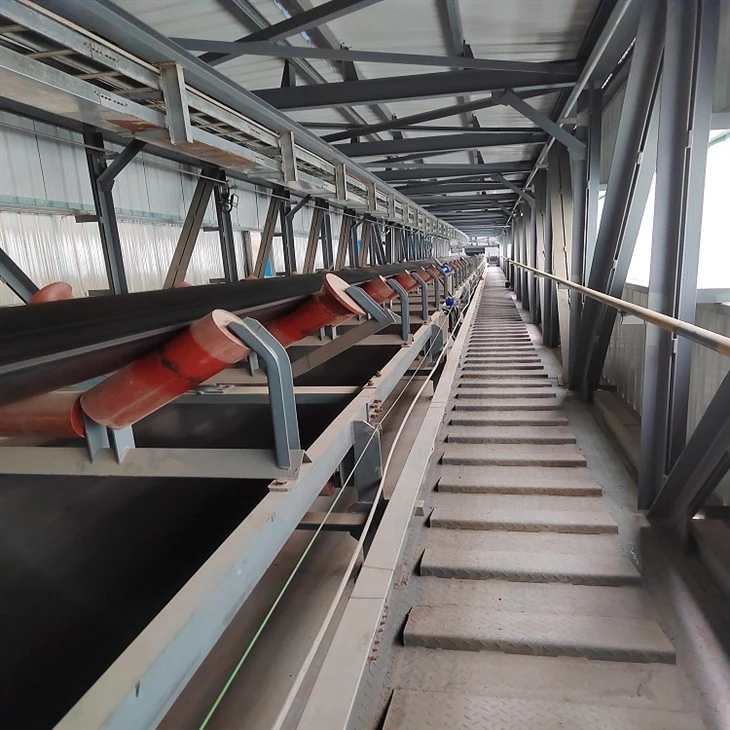
In addition to tripper conveyors, we also offer other types of conveyors that may be suitable for your application. For example, our Ship Loading Conveyor is designed for efficient loading of bulk materials onto ships. Our Belt Conveyor and Roller Conveyor solutions can be used in a variety of industries for different material handling tasks.

Conclusion
Selecting the appropriate tripper conveyor for your specific application requires careful consideration of multiple factors, including material characteristics, capacity requirements, conveyor length and layout, operating environment, tripper mechanism design, and safety and maintenance. As a tripper conveyor supplier, we have the expertise and experience to help you make the right choice. Our team of engineers can work with you to understand your needs and recommend the most suitable conveyor solution for your operation.
If you are interested in learning more about our tripper conveyors or need assistance in selecting the right conveyor for your application, please feel free to contact us. We are here to help you optimize your material handling processes and achieve your production goals.
References
- Conveyor Equipment Manufacturers Association (CEMA). Conveyor Design Manual.
- ASME B20.1 - 2015, Safety Standard for Conveyors and Related Equipment.
- ISO 15897:2004, Conveyor belts - Guide to calculation of operating power and tension.


