

As a supplier of Return Idlers, I understand the importance of sustainable practices in the industry. Recycling old Return Idlers not only helps in reducing waste but also contributes to cost - effectiveness and environmental conservation. In this blog, I will share some effective ways to recycle old Return Idlers.
Understanding Return Idlers
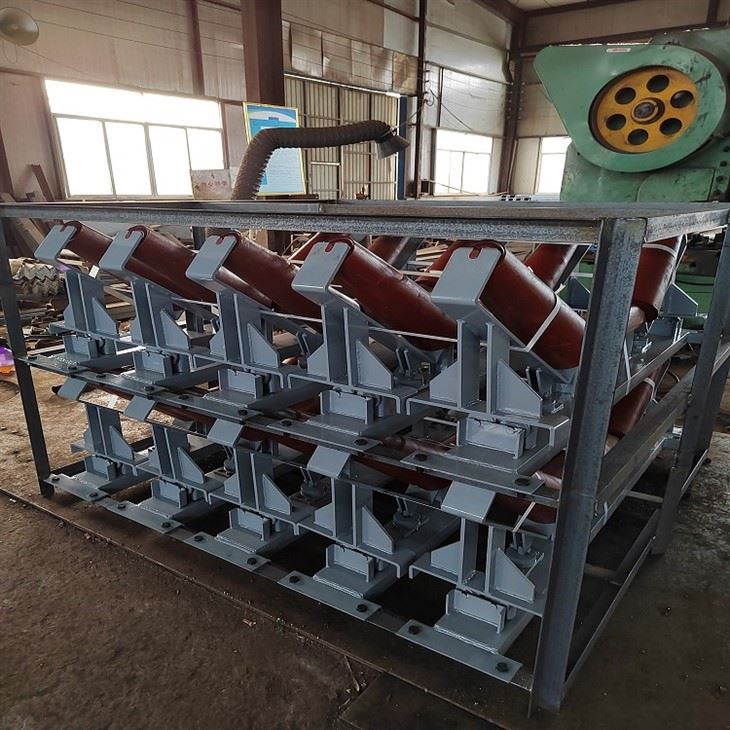
Before delving into the recycling process, it's essential to understand what Return Idlers are. Return Idlers are an integral part of conveyor systems. They support the return side of the conveyor belt, ensuring smooth and efficient operation. Over time, these idlers can wear out due to continuous use, exposure to harsh environments, and other factors.

Why Recycle Old Return Idlers?
There are several compelling reasons to recycle old Return Idlers. Firstly, from an environmental perspective, recycling reduces the amount of waste sent to landfills. Many of the materials used in Return Idlers, such as steel and rubber, can be re - used, which conserves natural resources. Secondly, recycling can be cost - effective. Instead of purchasing new idlers, recycling old ones can significantly cut down on procurement costs. Thirdly, it enhances a company's corporate social responsibility profile, showing a commitment to sustainable business practices.
Recycling Steps
1. Inspection and Sorting
The first step in recycling old Return Idlers is a thorough inspection. This involves checking the idlers for damage, wear, and the condition of their components. Idlers can be sorted into different categories based on their condition. For example, some idlers may only have minor wear on the bearings, while others may have more severe damage to the rollers. This sorting process is crucial as it determines the appropriate recycling method for each idler.
2. Dismantling
Once the idlers are sorted, the next step is dismantling. This process involves separating the different components of the Return Idlers, such as the rollers, bearings, shafts, and end caps. Specialized tools may be required for this task, depending on the design of the idlers. Dismantling allows for a more efficient recycling process as each component can be recycled separately.
3. Cleaning
After dismantling, the components need to be cleaned. This removes dirt, grease, and other contaminants that may have accumulated during use. Cleaning can be done using a variety of methods, such as pressure washing, chemical cleaning, or ultrasonic cleaning. Clean components are more suitable for recycling as they are easier to process and can yield higher - quality recycled materials.
4. Recycling of Components
- Steel Recycling: The majority of Return Idlers are made of steel. Steel is one of the most recyclable materials in the world. The steel components of the idlers can be melted down in a furnace and re - formed into new steel products. This process not only conserves iron ore but also reduces energy consumption compared to producing new steel from raw materials.
- Rubber Recycling: If the idlers have rubber components, such as rubber - covered rollers, these can also be recycled. Rubber can be ground into small particles and used in the production of new rubber products, such as mats, flooring, or even new conveyor belts.
- Bearing Recycling: Bearings are another important component of Return Idlers. They can be refurbished or recycled. In some cases, the metal parts of the bearings can be melted down and re - used, while the balls and rollers can be cleaned and re - used in new bearings.
5. Re - manufacturing
In some cases, instead of fully recycling the idlers, they can be re - manufactured. Re - manufacturing involves replacing worn - out components and refurbishing the idlers to make them as good as new. This option is particularly viable for idlers that have only minor damage. Re - manufactured idlers can be a cost - effective alternative to new idlers and can often perform just as well.
Challenges in Recycling Return Idlers
While recycling Return Idlers offers many benefits, there are also some challenges. One of the main challenges is the complexity of the idler design. Some idlers have complex internal structures, which can make dismantling difficult. Additionally, the presence of different materials, such as steel, rubber, and plastic, in a single idler can complicate the recycling process. Another challenge is the cost of recycling. The initial investment in equipment and labor for inspection, dismantling, and cleaning can be significant. However, in the long run, the savings from reduced procurement costs and environmental benefits can outweigh these initial expenses.
Best Practices for Recycling Return Idlers
- Partner with a Professional Recycling Company: Working with a professional recycling company that has experience in handling conveyor components can streamline the recycling process. These companies have the necessary equipment and expertise to handle the various components of Return Idlers effectively.
- Implement a Recycling Program: As a supplier, I encourage my customers to implement a recycling program for their old Return Idlers. This can involve setting up a collection system for used idlers, ensuring proper storage, and arranging for regular recycling.
- Educate Employees: It's important to educate employees about the importance of recycling Return Idlers. This can include training on proper handling, inspection, and dismantling techniques. By involving employees in the recycling process, companies can ensure its success.
Related Products in the Conveyor Industry
In the conveyor industry, there are several related products that are worth mentioning. The Return Training Idler is designed to keep the conveyor belt centered on the return side, improving the overall efficiency of the conveyor system. The Conveyor Idler Pulley is another crucial component that helps in guiding and supporting the conveyor belt. And the Trough Idler Rollers are used to support the carrying side of the conveyor belt, providing stability and preventing spillage.
Conclusion
Recycling old Return Idlers is a sustainable and cost - effective practice that offers numerous benefits to the conveyor industry. By following the steps outlined in this blog, companies can reduce waste, conserve resources, and improve their bottom line. As a Return Idler supplier, I am committed to promoting recycling and sustainable practices in the industry. If you are interested in learning more about our Return Idlers or have old idlers that need to be recycled, I encourage you to reach out for a procurement discussion. We can work together to find the best solutions for your conveyor system needs.
References
- "Conveyor Belt Systems: Design and Operation" by CEMA (Conveyor Equipment Manufacturers Association)
- "Recycling Handbook: Metals and Minerals" by an industry - specific recycling research group
- Various technical papers on conveyor idler design and recycling from industry conferences.


