


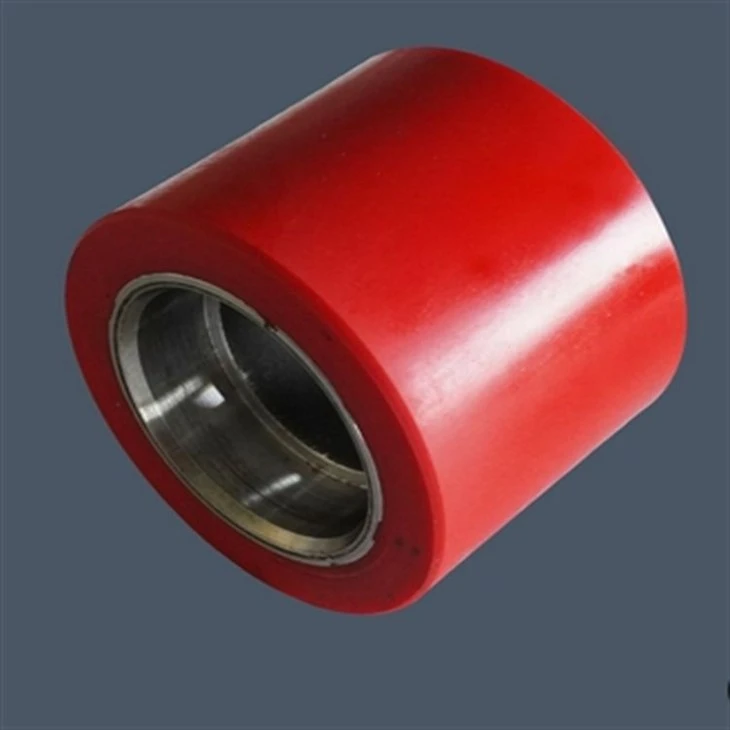

The Flat Return Idler is a support component for the return section of a belt conveyor. Featuring a cylindrical roller body, it is installed beneath the return belt to support it and prevent sagging or mistracking. We offer various types, including flat return idler and V-type return idlers; specifications such as roller diameter, length, material, and bearing brand can be customized to suit specific operating conditions.
Key Features
01.
Low rotational resistance for significant energy savings
High-precision bearings paired with a precision-machined roller body result in rotational resistance of ≤2N, consuming 8–12% less energy than troughing idlers. Given the large number of idlers in the return section, even small savings per unit add up to substantial reductions in the total electricity costs for the conveyor line.
02.
Multiple seals block dust and rainwater
A composite sealing structure-combining labyrinth and contact seals-effectively keeps out dust and moisture, protecting the bearings. They operate reliably in high-dust, high-humidity environments such as underground coal mines, port terminals, and coal washing plants, and require no lubrication during normal operation.
03.
Smooth, wear-resistant surface protects the belt
The roller body is made of high-precision steel tubing (wall thickness ≥4.5mm) with an anti-corrosion surface treatment; the smooth, high-hardness surface prevents belt abrasion. With a service life of 30,000 to 50,000 hours, replacement frequency and downtime losses are minimized.
04.
Simple structure for easy installation and maintenance
Our flat return idler assemblies feature a simple design consisting of a single long roller with mounting brackets at both ends. The roller length and hanger structure allow for slight lateral movement of the conveyor belt, preventing the belt edge from contacting the frame and ensuring ease of maintenance.

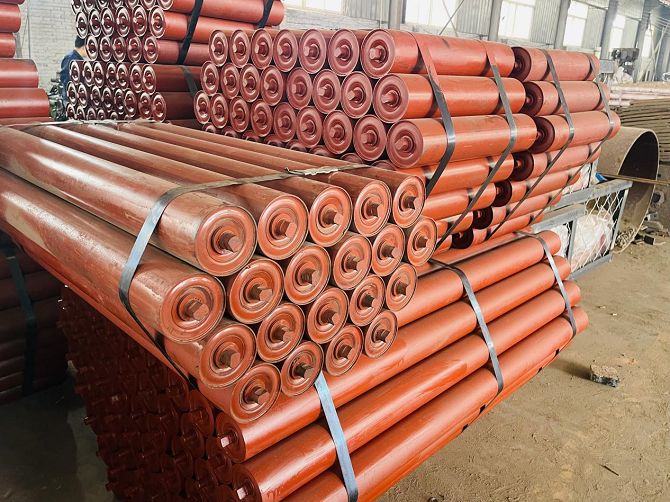

Selection and Maintenance
Idler spacing should not be determined arbitrarily. For the carrying section, idlers are typically spaced at 1.0–1.5 meters, while the spacing for the return section can be extended to 2.5–3.0 meters. Excessive spacing leads to belt sagging and increased resistance, whereas insufficient spacing drives up costs and maintenance requirements.
Installation precision is equally important. Idler frames must be perpendicular to the conveyor belt's centerline, with deviations controlled to within ±0.5°. A misalignment of even one or two degrees can cause persistent belt mistracking and significantly accelerate wear on both the idlers and the belt edges.
The most common failure modes are bearing contamination and seizure. Ingress of dust or moisture compromises lubrication, causing the idler to stop rotating and subsequently scratch the belt. In environments with high dust levels, inspection intervals should be shortened, and material buildup on the idler surfaces must be cleared promptly.
Proper storage is also essential. Idlers stored for extended periods should be placed horizontally and protected from vibration; otherwise, "false brinelling" (indentations) may form on the bearing raceways, reducing service life. Idlers held in long-term inventory should be rotated periodically to ensure even grease distribution.
Application
This product is used on the return section of belt conveyors to support the empty belt. It is applied in bulk material handling operations across various sectors, including underground coal mines, ports and terminals, power plant coal transport, metallurgical and steel plants, chemical and fertilizer industries, cement and building materials, and sand, gravel, and mining operations.
Frequently Asked Questions (FAQ)
Q: What is the difference between a flat return idler and a troughed idler?
A: Troughed idlers are used on the load-carrying side; their rollers are angled to form a trough that supports the material. Flat return idlers are used on the return side; they feature cylindrical rollers that support only the empty belt and do not come into contact with the material.
Q: What are the packaging and shipping methods?
A: We use standard export-grade wooden crates and support various trade terms such as CIF and FOB. Dedicated order coordination and bill of lading tracking are provided for overseas orders.
Q: Is customization available?
A: Yes. Roller diameter, length, wall thickness, material, and bearing brand can all be customized to suit specific operating conditions; they are compatible with mainstream conveyor models such as TD75, DTII, and DTII(A).
Hot Tags: flat return idler, China flat return idler manufacturers, suppliers, factory, belt training idlers, conveyor belt tracking idlers, pts conveyor idlers, idler pulley conveyor belt, training idler, superior return idlers


