

The surface finish of a conveyor snub pulley plays a crucial role in the overall performance and longevity of a conveyor system. As a leading supplier of conveyor snub pulleys, I am often asked about the significance of surface finish and how it impacts the operation of these essential components. In this blog post, I will delve into the details of what surface finish means for a conveyor snub pulley, its importance, and the different types of surface finishes available.
Understanding Surface Finish
Surface finish refers to the texture and quality of the outer surface of a conveyor snub pulley. It encompasses various characteristics such as roughness, waviness, and lay. Roughness is the most commonly considered aspect of surface finish and is measured in terms of the average height of the irregularities on the surface. A smoother surface finish generally indicates lower roughness values.
The surface finish of a conveyor snub pulley is not just about aesthetics; it has a direct impact on the functionality of the pulley and the conveyor system as a whole. A well - finished surface can reduce friction, prevent material build - up, and enhance the belt tracking ability of the conveyor.
Importance of Surface Finish
Reducing Friction
Friction between the conveyor belt and the snub pulley is a major concern in conveyor systems. Excessive friction can lead to increased power consumption, premature wear of the belt, and even overheating of the pulley. A smooth surface finish helps to minimize this friction. When the surface of the snub pulley is smooth, the belt can glide over it more easily, reducing the amount of force required to move the belt. This results in energy savings and a longer lifespan for both the belt and the pulley.
Preventing Material Build - Up
In many industrial applications, the conveyor belts carry materials that can stick to the surface of the snub pulley. This material build - up can cause imbalances in the pulley, leading to vibrations and uneven belt wear. A proper surface finish can prevent or reduce the adhesion of materials to the pulley. For example, a polished surface is less likely to trap particles compared to a rough one. By keeping the pulley surface clean, the conveyor system can operate more efficiently and with fewer maintenance issues.
Improving Belt Tracking
Proper belt tracking is essential for the safe and efficient operation of a conveyor system. The surface finish of the snub pulley can influence how well the belt stays centered on the pulley. A smooth and uniform surface finish ensures that the belt experiences consistent forces across its width, reducing the likelihood of the belt drifting to one side. This helps to prevent belt damage and improves the overall reliability of the conveyor system.

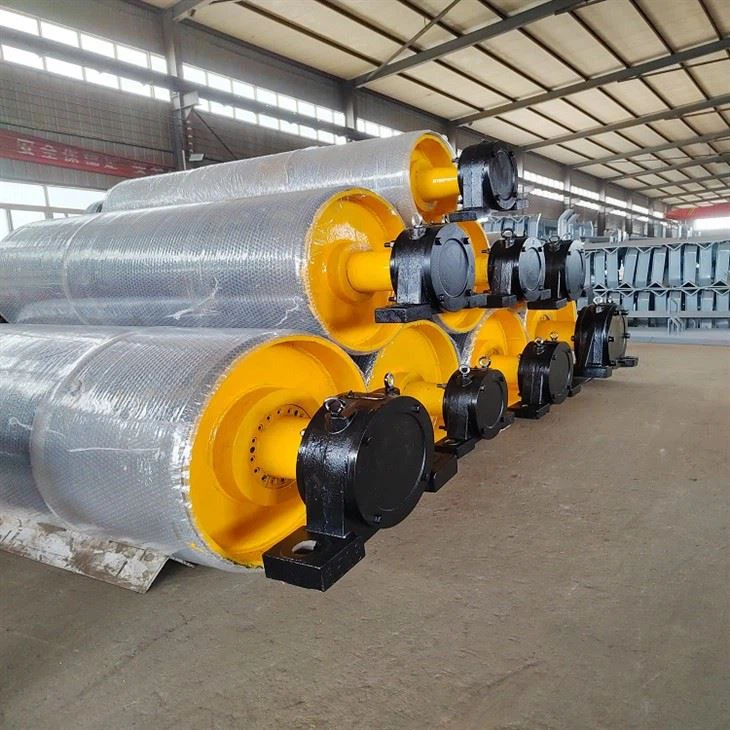
Types of Surface Finishes
Machined Finish
A machined finish is one of the most common types of surface finishes for conveyor snub pulleys. This finish is achieved through machining processes such as turning, milling, or grinding. Machined finishes can range from relatively rough to very smooth, depending on the specific machining parameters used. A moderately smooth machined finish is often sufficient for general conveyor applications. It provides a good balance between cost and performance, offering reduced friction and decent resistance to material build - up.
Polished Finish
A polished finish is a very smooth surface finish that is achieved through additional polishing operations after machining. Polished finishes have extremely low roughness values and are highly reflective. This type of finish is ideal for applications where minimizing friction and preventing material build - up are critical. For example, in food processing or pharmaceutical industries, where cleanliness is of utmost importance, polished snub pulleys are often used. They are also suitable for high - speed conveyor systems, as the smooth surface allows the belt to move at high velocities with minimal resistance.
Coated Finish
Coatings can be applied to the surface of a conveyor snub pulley to enhance its performance. There are various types of coatings available, each with its own set of properties. For example, a rubber coating can increase the friction between the belt and the pulley in some applications where more traction is required. A ceramic coating, on the other hand, can provide excellent wear resistance and protection against corrosion. Coated finishes can also be customized to meet specific requirements, such as chemical resistance or anti - static properties.
Impact of Surface Finish on Pulley Selection
When selecting a conveyor snub pulley, the surface finish should be carefully considered based on the specific application requirements. For applications with high - speed operation and light loads, a polished or highly machined finish may be the best choice. These finishes will minimize friction and ensure smooth belt movement. In contrast, for heavy - duty applications where the belt is under high tension and the conveyor carries abrasive materials, a more robust finish, such as a coated finish, may be necessary to withstand the harsh operating conditions.
Industry Applications and Surface Finish Requirements
Mining Industry
In the mining industry, conveyor systems are used to transport large quantities of ore and other materials. The conveyor snub pulleys in this industry are exposed to abrasive materials and harsh environmental conditions. A hard - wearing surface finish, such as a ceramic - coated finish, is often required to resist wear and corrosion. The rough nature of the materials being transported also means that the surface finish should be designed to prevent material build - up, as any imbalance in the pulley can lead to serious operational issues.
Food and Beverage Industry
The food and beverage industry has strict hygiene requirements. Conveyor snub pulleys in this industry need to have a smooth and easy - to - clean surface finish. A polished stainless - steel finish is commonly used, as it is resistant to corrosion, does not absorb food particles, and can be easily sanitized. This ensures that the conveyor system meets the high - standards of cleanliness required in food processing and packaging.
Automotive Industry
In the automotive industry, conveyor systems are used for the assembly and transportation of vehicle components. Precision is key in this industry, and the conveyor snub pulleys need to have a high - quality surface finish to ensure accurate belt tracking and smooth operation. A machined finish with tight tolerances is often specified to meet the requirements of automotive production lines.
Conclusion
The surface finish of a conveyor snub pulley is a critical factor that can significantly impact the performance, efficiency, and longevity of a conveyor system. As a supplier of conveyor snub pulleys, we understand the importance of providing pulleys with the right surface finish for each application. Whether it's a smooth polished finish for a high - speed food conveyor or a robust coated finish for a heavy - duty mining conveyor, we have the expertise and capabilities to meet your specific needs.
If you are in the market for conveyor snub pulleys and want to discuss the best surface finish options for your application, we encourage you to [initiate a contact for procurement discussion]. Our team of experts is ready to assist you in selecting the most suitable pulleys for your conveyor system.
References
- Conveyor Belt Technology Handbook, published by a leading industry association.
- Research papers on conveyor system performance and surface finish optimization.
For more information about related conveyor pulley products, you can visit the following links:
Head Pulley Tail Pulley
Variable Speed Drive Pulley
Conveyor Head Pulley


