

Hey there! As a supplier of Tracking Idlers, I often get asked about the temperature limits for these nifty little components. Today, I'm gonna dive deep into this topic and share all the info you need to know.
First off, let's understand what Tracking Idlers are. They're an essential part of conveyor systems, helping to keep the conveyor belt centered and running smoothly. Without them, belts can wander off - track, leading to all sorts of problems like uneven wear, material spillage, and even system breakdowns.
Now, onto the temperature limits. The temperature range within which Tracking Idlers can operate effectively is crucial for their performance and lifespan. Different types of materials used in the construction of Tracking Idlers have different temperature tolerances.
Temperature Limits Based on Material
1. Rubber - Covered Tracking Idlers
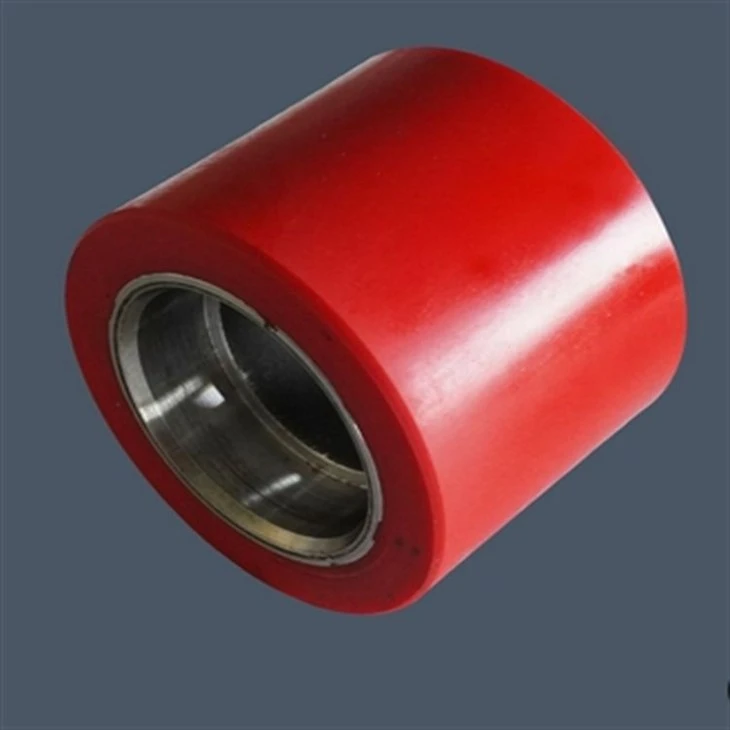
Rubber is a common material used for covering the idler rolls. It provides good grip and helps reduce noise. However, rubber has its limits when it comes to temperature.
For general - purpose rubber - covered Tracking Idlers, the typical operating temperature range is from - 20°C to 70°C (- 4°F to 158°F). At lower temperatures, rubber can become brittle. When it's too cold, say below - 20°C, the rubber loses its flexibility, which can lead to cracking and reduced performance. This means the idler won't be able to rotate smoothly, and the belt - tracking function may be compromised.
On the other hand, when the temperature rises above 70°C, the rubber starts to soften. Soft rubber can wear out more quickly, and it may also start to stick to the conveyor belt, causing additional friction and potential damage to both the idler and the belt.
2. Steel - Made Tracking Idlers
Steel is a durable material that can withstand a wider range of temperatures compared to rubber. Most steel Tracking Idlers can operate in temperatures ranging from - 40°C to 120°C (- 40°F to 248°F).
At extremely low temperatures, steel becomes more brittle, but modern steel alloys used in idler manufacturing are designed to resist this brittleness to a certain extent. However, below - 40°C, there's a higher risk of the steel cracking under stress, especially if there are any pre - existing flaws in the material.
When the temperature goes above 120°C, steel can start to expand. This expansion can cause misalignment issues in the idler assembly, which may affect the belt - tracking performance. Also, at high temperatures, the lubricants used in the idler bearings may break down, leading to increased friction and wear.
Impact of Extreme Temperatures on Tracking Idler Performance
Extreme temperatures, whether hot or cold, can have a significant impact on the performance of Tracking Idlers. In cold environments, as I mentioned earlier, the reduced flexibility of rubber or the increased brittleness of steel can lead to mechanical failures. The idler may not rotate freely, and the belt may not be tracked properly, resulting in increased energy consumption and premature wear of the belt and idler components.
In hot environments, the softening of rubber or the expansion of steel can cause similar problems. The idler may not maintain the correct alignment, and the increased friction can lead to overheating of the bearings. This can eventually lead to bearing failure, which is a costly and time - consuming problem to fix.
Choosing the Right Tracking Idlers for Your Temperature Conditions
When you're in the market for Tracking Idlers, it's important to consider the temperature conditions of your operating environment. If you're working in a cold climate, like a mining site in the Arctic or a refrigerated warehouse, you'll want to choose idlers with a lower temperature rating. Look for rubber compounds that are specifically formulated for cold - weather use or steel alloys that are more resistant to low - temperature brittleness.
Conversely, if you're operating in a hot environment, such as a steel mill or a cement plant, you need idlers that can handle high temperatures. Consider idlers with heat - resistant rubber covers or steel that can withstand thermal expansion without significant deformation.

Related Products
If you're interested in other types of conveyor idlers, we also offer Flat Return Idler, which are used to support the return side of the conveyor belt. They play an important role in keeping the belt stable and reducing wear.
Conveyor Idler Rollers are another key component of conveyor systems. These rollers are designed to reduce friction and ensure smooth movement of the belt.
And for those who need to keep their conveyor belts properly aligned, our Training Idlers Belt Conveyor are a great solution. They help correct belt misalignment and improve the overall efficiency of the conveyor system.
Conclusion
In conclusion, understanding the temperature limits for Tracking Idlers is crucial for ensuring the proper operation and longevity of your conveyor system. By choosing the right idlers for your temperature conditions, you can avoid costly breakdowns and keep your operations running smoothly.
If you're looking for high - quality Tracking Idlers or any other conveyor idler products, feel free to reach out. We're here to help you find the best solutions for your specific needs. Whether you have questions about temperature ratings, installation, or maintenance, don't hesitate to contact us for a purchase negotiation. We'll work with you to ensure you get the right products at the right price.
References
- Conveyor Belt Handbook, published by a leading industry association.
- Manufacturer's specifications for Tracking Idlers and related conveyor components.


