

Hey there! As a supplier of loading conveyors, I've seen firsthand how crucial it is to keep these machines in top - notch condition. A well - maintained loading conveyor not only ensures smooth operations but also extends its lifespan, saving you both time and money in the long run. So, let's dive into the maintenance requirements for a loading conveyor.
Regular Inspections
First off, regular inspections are a must. You should be checking your conveyor on a daily, weekly, and monthly basis.
On a daily basis, take a quick look at the conveyor's overall operation. Check for any visible signs of wear and tear, like frayed belts or loose components. Make sure the conveyor is running smoothly without any unusual noises or vibrations. If you notice anything off, it's better to address it right away before it turns into a bigger problem.
Weekly inspections are a bit more in - depth. Inspect the belts closely. Look for signs of cracking, splitting, or excessive wear. Check the belt tension too. A belt that's too loose can slip, causing inefficiencies, while a belt that's too tight can put extra stress on the motor and other components. You can use a tension gauge to get an accurate reading. Also, examine the rollers. They should rotate freely. If a roller is stuck or not turning properly, it can cause uneven wear on the belt and lead to premature failure.
Monthly inspections involve checking the electrical components. Look for any loose wires, damaged connectors, or signs of overheating. Test the emergency stop buttons to make sure they're working correctly. You should also inspect the conveyor's frame for any signs of corrosion or structural damage. If you find any issues, it's time to call in a professional to make the necessary repairs.
Cleaning
Cleaning is another important aspect of conveyor maintenance. Over time, dirt, dust, and debris can accumulate on the conveyor, which can affect its performance.
For the belts, you can use a mild detergent and a soft brush to remove any dirt or sticky substances. Make sure to rinse the belt thoroughly and let it dry completely before starting the conveyor again. Avoid using harsh chemicals as they can damage the belt material.
The rollers also need to be cleaned regularly. You can use a dry cloth or a compressed air gun to remove any dirt or debris that has built up around them. Keeping the rollers clean ensures that they can rotate smoothly and reduces the risk of belt slippage.
If you're dealing with a Concrete Conveyor Belt, you'll need to be extra careful with cleaning. Concrete can be very abrasive and can cause significant damage if not removed promptly. Use a high - pressure water jet to clean the belt after each use, and make sure to follow the manufacturer's guidelines for cleaning and maintenance.
Lubrication
Lubrication is essential for the smooth operation of a loading conveyor. The moving parts, such as the bearings and gears, need to be lubricated regularly to reduce friction and wear.
When choosing a lubricant, make sure it's compatible with the conveyor's components. Different types of bearings and gears may require different types of lubricants. Follow the manufacturer's recommendations for the type and frequency of lubrication.
For example, some bearings may need to be lubricated every few months, while others may only need it once a year. Over - lubrication can be just as bad as under - lubrication, so make sure you're applying the right amount. You can use a grease gun to apply lubricant to the bearings and gears.
Belt Alignment
Proper belt alignment is crucial for the efficient operation of a loading conveyor. If the belt is misaligned, it can cause uneven wear, increased stress on the components, and even belt damage.
You can check the belt alignment by looking at the position of the belt on the rollers. The belt should run centered on the rollers. If it's drifting to one side, you'll need to adjust the alignment. Most conveyors have adjustment mechanisms that allow you to move the rollers slightly to correct the belt alignment.
It's a good idea to check the belt alignment regularly, especially after any maintenance work or if the conveyor has been moved. If you're having trouble aligning the belt yourself, don't hesitate to contact a professional.
Component Replacement
Even with regular maintenance, some components of the loading conveyor will eventually need to be replaced.

The belts are one of the most common components that need to be replaced. As mentioned earlier, belts can wear out over time due to friction, dirt, and other factors. When the belt shows signs of excessive wear, such as significant cracking or splitting, it's time to replace it.
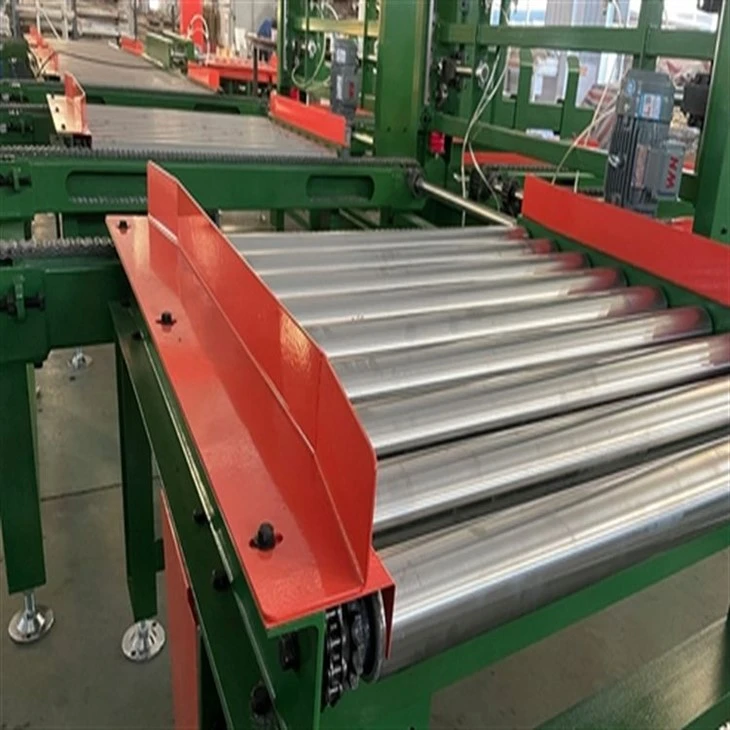
Rollers also need to be replaced if they're damaged or not rotating properly. A worn - out roller can cause uneven wear on the belt and reduce the conveyor's efficiency.
If you're using a Dirt Conveyor, the components may be subject to more wear and tear due to the abrasive nature of dirt. Make sure to keep an eye on the condition of the belts, rollers, and other components and replace them as needed.
Training
Finally, it's important to train your staff on proper conveyor operation and maintenance. Your employees should know how to operate the conveyor safely and how to perform basic maintenance tasks.
Provide them with training on how to do daily inspections, clean the conveyor, and lubricate the components. Make sure they understand the importance of following the maintenance schedule and reporting any issues promptly.
A well - trained staff can help prevent many common conveyor problems and ensure that the conveyor operates at its best.
In conclusion, maintaining a loading conveyor requires a combination of regular inspections, cleaning, lubrication, belt alignment, component replacement, and staff training. By following these maintenance requirements, you can keep your conveyor running smoothly and avoid costly breakdowns.
If you're in the market for a new loading conveyor or need help with the maintenance of your existing one, don't hesitate to reach out. We're here to provide you with high - quality products and expert advice. Whether you need a Roller Idler Conveyor or any other type of conveyor, we've got you covered. Contact us today to start the conversation about your conveyor needs!
References
- Conveyor Equipment Manufacturers Association (CEMA) - Conveyor Maintenance Guidelines
- Manufacturer's Manuals for Loading Conveyors


