

In the mining industry, conveyor systems play a crucial role in transporting materials efficiently and continuously. However, like any complex machinery, mining conveyors can encounter various issues that may require an emergency stop. As a leading Mining Conveyor supplier, we understand the importance of having well - defined emergency stop procedures to ensure the safety of personnel and the protection of equipment.
Understanding the Need for Emergency Stops
Mining conveyors operate in harsh environments, handling heavy loads and large volumes of materials. There are several situations where an emergency stop may be necessary. For example, mechanical failures such as a broken belt, jammed rollers, or malfunctioning motors can pose a significant risk. Electrical problems, including short - circuits or power surges, can also lead to dangerous situations. Additionally, human errors, such as personnel getting too close to moving parts or improper loading, may trigger an emergency stop.
Components of a Mining Conveyor
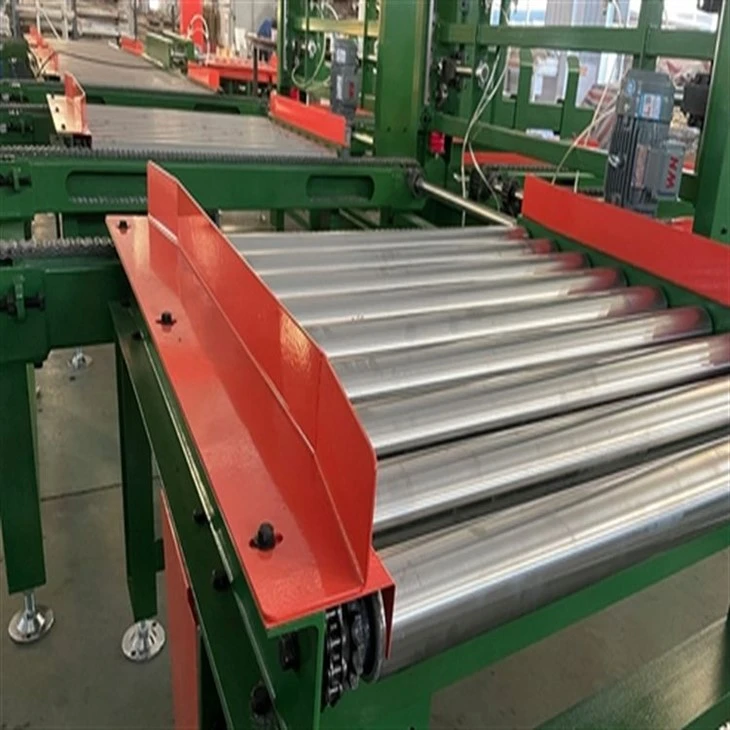
Before delving into the emergency stop procedures, it is essential to understand the key components of a mining conveyor. A typical mining conveyor consists of a belt, rollers, motors, pulleys, and a control system. The belt is responsible for carrying the materials, while the rollers support and guide the belt. The motors provide the power to drive the conveyor, and the pulleys help in changing the direction of the belt. The control system manages the operation of the conveyor, including starting, stopping, and speed control.
We offer a variety of conveyors, such as the Loading Conveyor, which is designed for efficient loading of materials onto the main conveyor. The Roller Idler Conveyor features high - quality rollers that ensure smooth movement of the belt. And the Concrete Conveyor Belt is specifically engineered to handle the abrasive nature of concrete materials.
Emergency Stop Procedures
1. Visual and Auditory Warnings
The first step in an emergency stop procedure is to activate visual and auditory warnings. Most modern mining conveyors are equipped with emergency stop buttons that, when pressed, trigger a loud alarm and flashing lights. These warnings serve to alert all personnel in the vicinity of the conveyor that an emergency has occurred. It is crucial that all workers are trained to recognize these warnings and understand their meaning.
2. Immediate Stop
Once the emergency stop button is pressed, the conveyor should come to an immediate halt. The control system of the conveyor is designed to cut off the power supply to the motors, causing the belt to stop moving. This is a critical step in preventing further damage to the equipment and reducing the risk of injury to personnel.
3. Isolation of Power
After the conveyor has stopped, it is necessary to isolate the power supply completely. This involves turning off the main circuit breaker or disconnecting the power cable. Isolating the power ensures that the conveyor cannot be accidentally restarted during the inspection and repair process.
4. Inspection and Assessment
Once the power is isolated, a thorough inspection of the conveyor should be carried out. A team of trained technicians should visually examine the belt, rollers, motors, and other components for any signs of damage or malfunction. They should also check the electrical connections and control system for any faults. Based on the inspection results, an assessment of the damage should be made, and a plan for repair should be developed.
5. Communication
During the emergency stop and subsequent inspection process, clear communication is essential. The supervisor or person in charge should inform all relevant personnel about the status of the emergency, including the cause of the stop, the estimated time for repair, and any safety precautions that need to be taken. This ensures that everyone is aware of the situation and can act accordingly.
6. Restarting the Conveyor
After the repairs have been completed and all safety checks have been carried out, the conveyor can be restarted. Before restarting, it is important to ensure that all personnel are clear of the conveyor and that the area is safe. The power supply should be re - connected, and the control system should be reset. The conveyor should be started slowly and monitored closely for any signs of abnormal operation.
Training and Drills
Proper training is crucial for ensuring that all personnel involved in the operation of mining conveyors are familiar with the emergency stop procedures. Regular training sessions should be conducted to educate workers on the importance of emergency stops, how to recognize emergency situations, and how to operate the emergency stop buttons.
In addition to training, regular emergency stop drills should be carried out. These drills simulate real - life emergency situations and allow workers to practice the emergency stop procedures. By conducting drills regularly, workers can become more confident and proficient in responding to emergencies, which can significantly reduce the response time and minimize the damage caused by emergencies.

Maintenance and Preventive Measures
To reduce the likelihood of emergency stops, regular maintenance of the mining conveyor is essential. This includes lubricating the rollers, checking the belt tension, and inspecting the electrical components. By performing preventive maintenance, potential problems can be identified and addressed before they escalate into emergencies.
We also offer maintenance services for our mining conveyors. Our team of experienced technicians can provide regular maintenance checks, repairs, and replacements of parts to ensure the optimal performance of your conveyor.
Conclusion
Emergency stop procedures for mining conveyors are a vital part of ensuring the safety and efficiency of mining operations. By following the steps outlined above, including visual and auditory warnings, immediate stop, power isolation, inspection, communication, and proper restarting, the risk of damage to equipment and injury to personnel can be significantly reduced.
As a trusted Mining Conveyor supplier, we are committed to providing high - quality conveyors and comprehensive support services. If you are interested in our products or need more information about emergency stop procedures and maintenance, we encourage you to contact us for a detailed discussion and potential procurement. Our team of experts is ready to assist you in finding the best conveyor solutions for your mining needs.
References
- "Mining Conveyor Systems: Design, Operation, and Maintenance" - Industry - specific technical book
- "Safety Guidelines for Mining Equipment" - Published by a recognized mining safety organization


