

Hey there! As a supplier of loading conveyors, I've been in the thick of the industry for quite a while, and I've seen firsthand what makes a heavy - duty loading conveyor truly stand out. In this blog, I'm gonna break down the key characteristics that set these bad boys apart.
Robust Construction
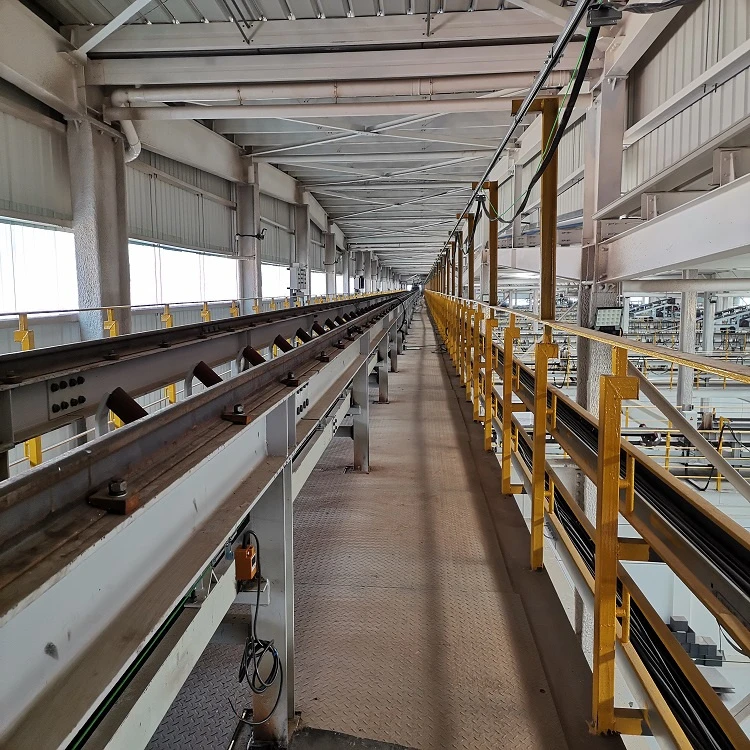
First off, a heavy - duty loading conveyor needs to be built like a tank. It's gonna be dealing with some seriously hefty loads day in and day out, so the materials used in its construction are super important. We're talking about high - strength steel frames that can withstand the constant stress and strain. The steel is usually thick and of top - notch quality, which gives the conveyor the structural integrity it needs.
For example, when we're dealing with large - scale industrial applications, the conveyor has to handle massive quantities of materials like coal, ore, or gravel. A flimsy frame just won't cut it. These conveyors are designed to take the pounding and keep on working. The joints and welds are also crucial. They need to be strong and durable, so there's no risk of the conveyor falling apart under heavy loads.
High Load - Bearing Capacity
This one's a no - brainer. A heavy - duty loading conveyor should be able to handle a ton of weight. The load - bearing capacity is determined by a few factors, including the strength of the frame, the quality of the belts or rollers, and the overall design of the conveyor.
Let's say you're in the mining industry. You might need a conveyor that can carry hundreds of tons of ore per hour. Our heavy - duty conveyors are engineered to meet these demands. They can handle extremely heavy loads without sagging or breaking down. This is essential for keeping your operations running smoothly and efficiently. You don't want to be constantly shutting down your conveyor because it can't handle the load.
Durable Belts or Rollers
The belts or rollers on a heavy - duty loading conveyor are like the heart of the machine. They're what actually move the materials from one place to another. When it comes to belts, you need ones that are made from tough, abrasion - resistant materials. Rubber belts are a popular choice because they're flexible, strong, and can handle a wide range of materials.
For instance, if you're using the conveyor to move sharp - edged materials like rocks, a regular belt might get torn up pretty quickly. But our heavy - duty belts are designed to resist abrasion, so they can last a long time even in the harshest conditions.
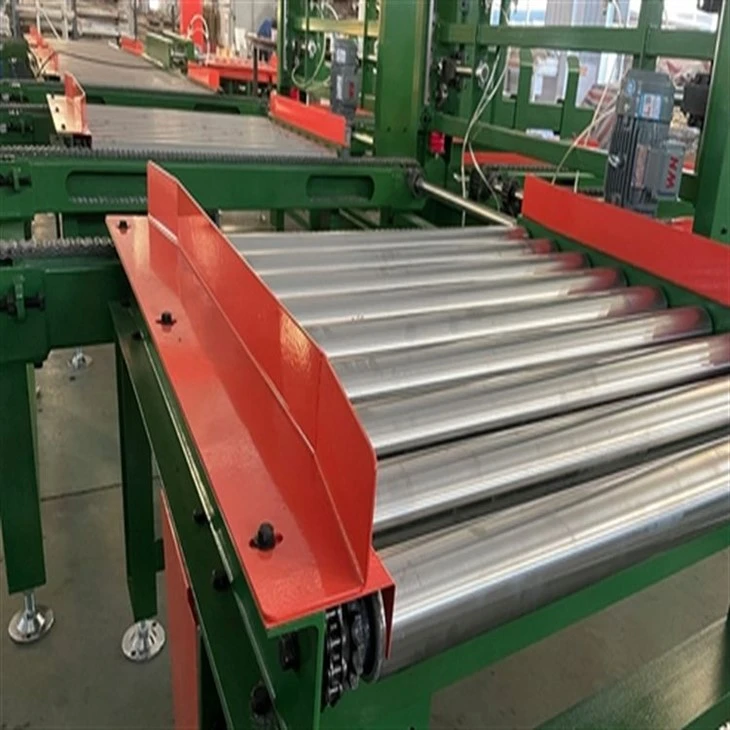
Rollers are also important. They need to be well - made and able to rotate smoothly. High - quality bearings are used in the rollers to ensure low friction and long - term reliability. You can check out our Roller Idler Conveyor for more details on how our rollers are designed to handle heavy loads.
Customizability
Every industry and every application is different, so a heavy - duty loading conveyor needs to be customizable. We understand that our customers have unique requirements, and we're able to tailor our conveyors to meet those needs.
Maybe you need a conveyor with a specific length, width, or height. Or perhaps you need it to be able to handle a particular type of material at a certain speed. We can make all those adjustments. We can also add special features like adjustable inclines, multiple discharge points, or automated controls.
For example, if you're in the food industry, you might need a conveyor that's easy to clean and meets strict hygiene standards. We can design a conveyor with stainless - steel components and smooth surfaces to make cleaning a breeze.
Efficient Power Transmission
A heavy - duty loading conveyor needs to be powered efficiently. This means using high - quality motors and drives that can deliver the right amount of power to move the heavy loads. We use state - of - the - art motors that are energy - efficient, which helps to keep your operating costs down.
The power transmission system also needs to be reliable. A well - designed gearbox or belt drive ensures that the power is transferred smoothly from the motor to the conveyor. This reduces wear and tear on the components and helps to prevent breakdowns.
Low Maintenance Requirements
No one wants to spend a fortune on maintaining their conveyor. That's why our heavy - duty loading conveyors are designed with low maintenance in mind. We use high - quality components that are built to last, so you don't have to replace parts frequently.
The design of the conveyor also makes it easy to access and service the components. For example, the belts can be easily removed and replaced if necessary, and the rollers can be lubricated without too much hassle. This means less downtime for your operations and more money in your pocket.
Safety Features
Safety is always a top priority. A heavy - duty loading conveyor comes equipped with a variety of safety features. Emergency stop buttons are placed at strategic locations along the conveyor so that the machine can be stopped immediately in case of an emergency.
There are also guards and shields to protect workers from moving parts. For example, the conveyor belts are covered to prevent fingers or clothing from getting caught. Additionally, sensors can be installed to detect any abnormalities in the operation of the conveyor, such as a jam or a belt slippage, and automatically shut down the machine.
Adaptability to Different Environments
Heavy - duty loading conveyors need to be able to operate in a wide range of environments. Whether it's a hot and dusty mine, a cold and wet construction site, or a clean and controlled factory floor, our conveyors are up to the task.
We use special coatings and materials to protect the conveyor from corrosion, rust, and other environmental factors. For example, in a marine environment, where the conveyor might be exposed to saltwater, we use corrosion - resistant materials to ensure the longevity of the machine. You can take a look at our Ship Loading Conveyor to see how we design conveyors for challenging marine conditions.
Versatility in Material Handling
These conveyors are designed to handle a wide variety of materials. Whether it's dry bulk materials like sand and cement, or wet and sticky materials like Concrete Conveyor Belt can handle, our conveyors can adapt.
The design of the conveyor, including the type of belt or rollers used, can be adjusted to suit the specific material. For example, for powdery materials, a conveyor with a sealed belt might be used to prevent dust from escaping.
If you're in the market for a heavy - duty loading conveyor, we're here to help. Our team of experts can work with you to understand your specific needs and recommend the best conveyor solution for your business. Whether you need a small - scale conveyor for a local project or a large - scale system for an industrial operation, we've got you covered. Just reach out to us, and let's start a conversation about how we can make your material handling process more efficient and reliable.
References
- Industry standards for heavy - duty loading conveyors
- Manufacturer's specifications and technical documentation for conveyor components


