

Hey there! I'm a supplier of idlers and rollers, and I've seen firsthand the headaches that overheating idlers and rollers can cause. Overheating isn't just a minor annoyance; it can lead to equipment breakdowns, costly repairs, and even production downtime. So, in this blog, I'm gonna share some practical tips on how to prevent idlers and rollers from overheating.
Understanding the Causes of Overheating
Before we dive into the prevention methods, it's important to understand what causes idlers and rollers to overheat in the first place. There are several factors at play here.
Lack of Lubrication: One of the most common causes is insufficient lubrication. Idlers and rollers have moving parts, and without proper lubrication, friction builds up. This friction generates heat, and if it's not addressed, the temperature can rise to dangerous levels.
Excessive Load: When idlers and rollers are subjected to loads that are beyond their rated capacity, they have to work harder. This extra strain leads to increased friction and heat generation. It's like asking a small car to tow a large truck - it's just not gonna work well.
Poor Alignment: If idlers and rollers aren't properly aligned, they can experience uneven wear and tear. This uneven movement creates additional friction, which in turn causes overheating. It's similar to a wheel on a car that's out of alignment - it'll cause problems over time.
Environmental Factors: Harsh environmental conditions can also contribute to overheating. High temperatures, dust, and moisture can all affect the performance of idlers and rollers. For example, in a hot and dusty environment, the dust can get into the bearings and cause them to seize up, leading to overheating.
Prevention Methods
Regular Maintenance
Regular maintenance is the key to preventing overheating. Here are some maintenance tasks you should perform:
- Lubrication Checks: Make sure to check the lubrication levels of your idlers and rollers regularly. Use the right type of lubricant recommended by the manufacturer. Over - lubrication can be just as bad as under - lubrication, so follow the guidelines carefully.
- Inspection for Wear and Tear: Look for signs of wear on the rollers and idlers, such as cracks, dents, or excessive rust. Replace any parts that are worn out promptly. This will prevent further damage and reduce the risk of overheating.
- Alignment Checks: Periodically check the alignment of your idlers and rollers. You can use alignment tools to ensure they are in the correct position. If you notice any misalignment, adjust them as soon as possible.
Proper Loading
As I mentioned earlier, excessive load can cause overheating. So, it's crucial to ensure that your idlers and rollers are not overloaded.

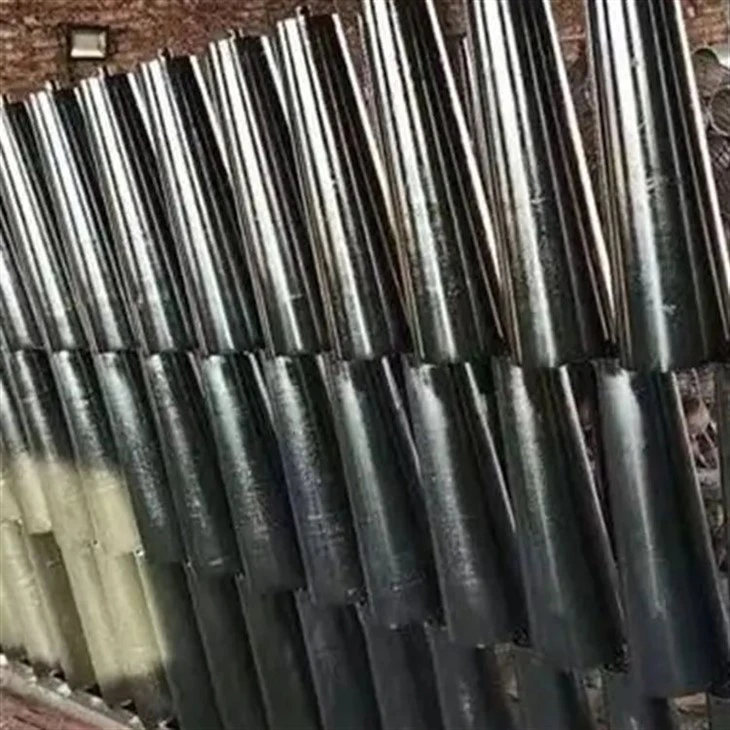
- Know the Load Capacity: Familiarize yourself with the load capacity of your idlers and rollers. Don't exceed this limit, as it can put unnecessary stress on the equipment.
- Distribute the Load Evenly: When loading materials onto the conveyor system, make sure the load is evenly distributed. Uneven loading can cause some idlers and rollers to bear more weight than others, leading to overheating.
Environmental Management
To protect your idlers and rollers from harsh environmental conditions, you can take the following steps:
- Temperature Control: If possible, control the temperature in the area where the idlers and rollers are located. You can use fans or air - conditioning to keep the temperature within a safe range.
- Dust and Moisture Protection: Install dust covers and moisture barriers to protect the idlers and rollers from dust and moisture. This will prevent contaminants from getting into the bearings and causing damage.
Using the Right Idlers and Rollers
Choosing the right idlers and rollers for your application is essential. Different applications have different requirements, and using the wrong type can lead to overheating.
- Consider the Application: Think about the type of material you're conveying, the speed of the conveyor, and the environmental conditions. For example, if you're conveying heavy materials at high speeds, you'll need more robust idlers and rollers.
- Explore Different Options: There are various types of idlers and rollers available, such as Tracking Idlers, Return Training Idler, and Return Idler. Each type has its own features and benefits, so choose the one that best suits your needs.
Monitoring and Early Detection
Even with all the preventive measures in place, it's still important to monitor the temperature of your idlers and rollers regularly.
- Use Temperature Sensors: Install temperature sensors on your idlers and rollers to monitor their temperature in real - time. This will allow you to detect any signs of overheating early and take action before it's too late.
- Set Up Alarms: Set up alarms on your monitoring system so that you're notified immediately if the temperature exceeds a certain threshold. This will give you time to investigate the cause and fix the problem.
Conclusion
Preventing idlers and rollers from overheating is all about a combination of regular maintenance, proper loading, environmental management, using the right equipment, and early detection. By following these tips, you can extend the lifespan of your idlers and rollers, reduce the risk of breakdowns, and save money in the long run.
If you're in the market for high - quality idlers and rollers, or if you have any questions about preventing overheating, don't hesitate to reach out. I'm here to help you find the best solutions for your needs. Let's keep your conveyor systems running smoothly!
References
- Manufacturer's manuals for idlers and rollers
- Industry best practices for conveyor system maintenance


