

Hey there! As a supplier of Roller Idler Conveyors, I'm super stoked to share with you the ins and outs of installing one in a chemical plant. It's not just about slapping some parts together; it's a process that requires careful planning and attention to detail. So, let's dive right in!
Pre - installation Planning
Before you even think about getting your hands dirty, you've got to do some serious planning. First off, you need to assess the layout of the chemical plant. Where exactly do you want to install the Roller Idler Conveyor? You've got to consider factors like the available space, the flow of materials, and the safety regulations in the plant.
Safety is a huge deal in a chemical plant. You've got to make sure that the conveyor won't interfere with any hazardous areas or processes. Check for things like chemical storage areas, reaction vessels, and emergency exits. You don't want to end up blocking a crucial escape route or causing a chemical spill.
Another important aspect of planning is to determine the capacity and specifications of the conveyor. How much material do you need to transport? What's the size and weight of the items? Based on these factors, you can choose the right type of Roller Idler Conveyor. For example, if you're dealing with heavy - duty materials, you might need a conveyor with stronger rollers and a more robust frame.
Site Preparation
Once you've got your plan in place, it's time to prepare the site. Start by cleaning the area where the conveyor will be installed. Remove any debris, chemicals, or other obstacles. You want a clean, flat surface for the conveyor to rest on.
Next, mark the location of the conveyor. Use a measuring tape and a level to ensure that the markings are accurate. This will help you align the conveyor properly during installation. If the surface isn't level, you might need to use shims or other leveling devices to make adjustments.
It's also a good idea to install any necessary support structures before bringing in the conveyor. This could include brackets, frames, or platforms. Make sure these structures are securely fastened to the floor or other stable surfaces. You don't want the conveyor to wobble or shift during operation.
Conveyor Assembly
Now comes the fun part - assembling the conveyor. Start by unpacking all the components and laying them out in an organized manner. Check for any damaged or missing parts. If you find any issues, contact your supplier right away.
Begin by assembling the frame of the conveyor. Follow the manufacturer's instructions carefully. Usually, you'll need to connect the frame sections using bolts or other fasteners. Make sure the connections are tight and secure.
Once the frame is assembled, it's time to install the rollers. Rollers are the heart of the Roller Idler Conveyor, so you've got to get them right. Place the rollers in the roller brackets at the appropriate intervals. Make sure they rotate freely and are properly aligned.
After the rollers are installed, you can attach the belt. The belt should be tensioned correctly. If it's too loose, it might slip or come off the rollers. If it's too tight, it could put extra stress on the rollers and the motor. Use a tensioning device to adjust the belt tension according to the manufacturer's recommendations.
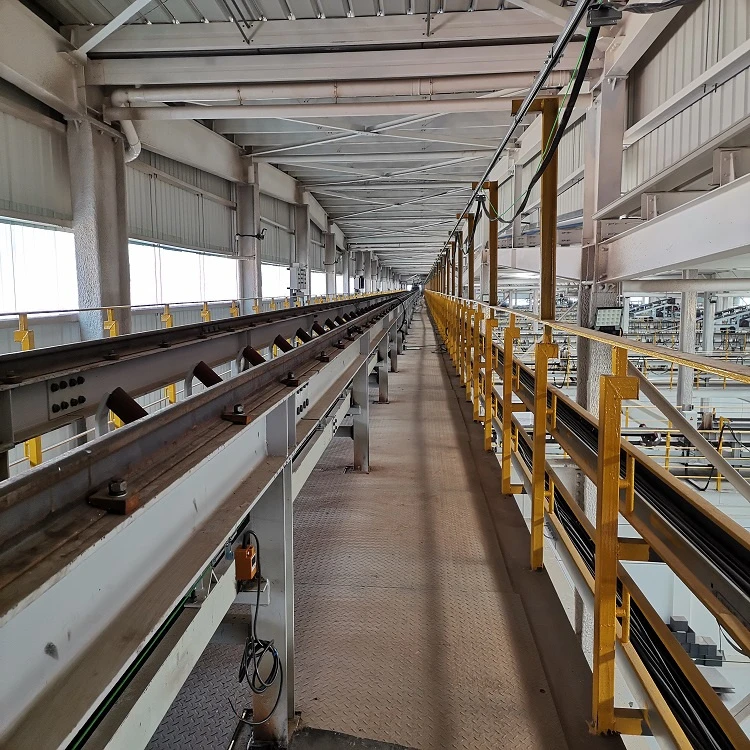

Electrical and Control System Installation
In a chemical plant, the electrical and control systems of the conveyor need to be installed with extra care. First, make sure that all electrical work is done by a qualified electrician. They'll need to connect the motor, sensors, and other electrical components to the power supply.
The control system is what allows you to operate the conveyor. It could include a simple on - off switch or a more complex programmable logic controller (PLC). Install the control panel in a convenient location where it can be easily accessed by the operators.
When installing the electrical and control systems, you've got to follow all the safety regulations. Use explosion - proof electrical components if required. This is crucial in a chemical plant where there might be flammable or explosive chemicals in the air.
Testing and Commissioning
Before you start using the conveyor in the chemical plant, you've got to test it thoroughly. First, do a visual inspection of the entire conveyor system. Check for any loose bolts, misaligned rollers, or other obvious issues.
Next, power on the conveyor and run it at a low speed. Observe how the rollers rotate, how the belt moves, and how the control system responds. Listen for any unusual noises or vibrations. If you notice anything strange, stop the conveyor immediately and investigate the problem.
After running the conveyor at a low speed, you can gradually increase the speed to its normal operating speed. Test the conveyor with a small amount of material first. Make sure it can handle the load and transport the material smoothly.
Once you're satisfied with the test results, you can officially commission the conveyor. Train the operators on how to use the conveyor safely and properly. Provide them with an operation manual and emergency procedures.
Maintenance and Support
Installing a Roller Idler Conveyor in a chemical plant is just the beginning. You've got to maintain it regularly to ensure its long - term performance. Set up a maintenance schedule that includes tasks like lubricating the rollers, checking the belt tension, and inspecting the electrical components.
As a Roller Idler Conveyor supplier, we offer comprehensive maintenance and support services. We can provide you with spare parts, technical advice, and on - site maintenance if needed. Our team of experts is always ready to help you keep your conveyor running smoothly.
If you're in the market for a Roller Idler Conveyor for your chemical plant, or if you have any questions about the installation process, don't hesitate to reach out. We're here to make your life easier and ensure that you get the best conveyor solution for your needs. Whether you're also interested in Mining Conveyor or Ship Loading Conveyor, we've got you covered. Contact us today to start the conversation about your conveyor requirements.
References
- Conveyor Installation Manuals from various manufacturers
- Chemical Plant Safety Regulations
- Industry Standards for Conveyor Systems
So, that's it! I hope this guide has been helpful to you. If you have any more questions, feel free to leave a comment or contact me directly. Good luck with your Roller Idler Conveyor installation in the chemical plant!


