

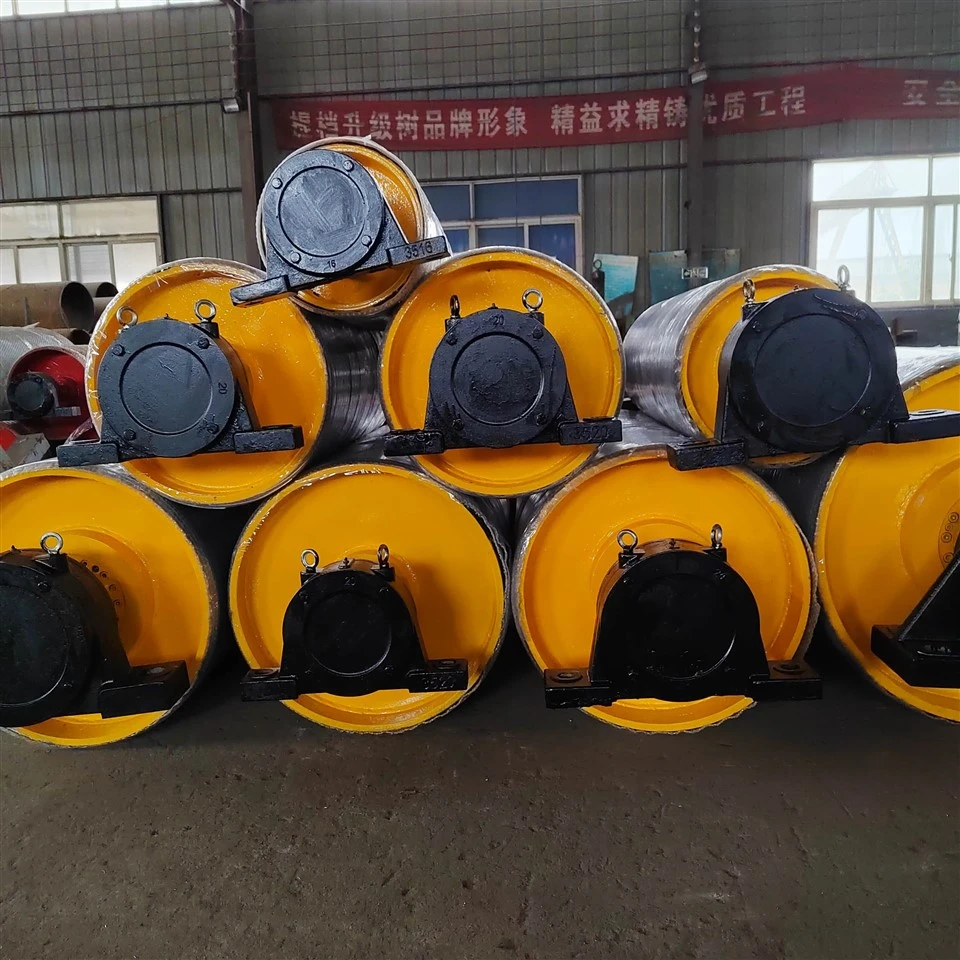
Hey there! I'm a supplier of Conveyor Head Pulleys, and today I'm gonna walk you through the process of installing a conveyor head pulley. It might seem a bit daunting at first, but with the right steps and a bit of know - how, you'll have it up and running in no time.
Pre - installation Checks
Before you even start the installation, there are a few things you need to check. First off, make sure you've got the right pulley for your conveyor system. The size, diameter, and width of the pulley should match the conveyor belt's specifications. You don't want a pulley that's too small or too large, as it can cause all sorts of problems like belt slippage or uneven wear.
Inspect the pulley for any visible damage. Look for cracks, dents, or rough spots on the surface. A damaged pulley can lead to premature belt failure and other operational issues. Also, check the bearings. They should be clean, well - lubricated, and free of any play. If the bearings are worn out, it's best to replace them before installation.
Tools and Equipment
You'll need a few tools and equipment for the installation. A set of wrenches is a must - have. You'll use them to loosen and tighten bolts. A crane or a hoist is also essential, especially if the pulley is large and heavy. You don't want to try to lift a heavy pulley by hand; it's dangerous and can lead to injuries. A measuring tape will come in handy to ensure proper alignment, and a level will help you make sure the pulley is installed straight.
Removing the Old Pulley (if applicable)
If you're replacing an old pulley, the first step is to shut down the conveyor system. Make sure all power sources are turned off and locked out to prevent any accidental startup. Then, use your wrenches to remove the bolts that are holding the old pulley in place. Be careful when removing the pulley, as it might be heavy. Use the crane or hoist to lift it out of the conveyor frame.
Installing the New Pulley
Now, it's time to install the new pulley. Start by positioning the pulley in the conveyor frame. Make sure it's centered and aligned with the conveyor belt. Use the measuring tape and level to double - check the alignment. Once it's in the right position, insert the bolts through the holes in the pulley and the conveyor frame. Tighten the bolts gradually, alternating between them to ensure even tightening.

Belt Installation
After the pulley is installed, it's time to install the conveyor belt. If the belt is already on the conveyor, you'll need to loosen it to get it around the new pulley. If it's a new belt, carefully thread it around the head pulley and the Conveyor Tail Drum. Make sure the belt is centered on the pulley and that there are no twists or kinks.
Tensioning the Belt
Proper belt tension is crucial for the smooth operation of the conveyor system. You can use a tensioning device to adjust the belt tension. Start by tightening the belt slightly and then run the conveyor for a short period. Check for any signs of slippage or uneven tracking. If the belt is too loose, it will slip; if it's too tight, it can cause excessive wear on the belt and the pulley. Adjust the tension as needed until the belt runs smoothly.
Alignment and Tracking
Alignment is key to the long - term performance of the conveyor system. Check the alignment of the head pulley with the rest of the conveyor components, including the Conveyor Belt Head Drum and the tail drum. A misaligned pulley can cause the belt to track off - center, leading to uneven wear and potential belt damage. You can make small adjustments to the pulley's position using shims or adjustment bolts.
Testing the System
Once everything is installed and adjusted, it's time to test the conveyor system. Start the conveyor at a low speed and observe its operation. Check for any unusual noises, vibrations, or belt tracking issues. If you notice any problems, stop the conveyor immediately and make the necessary adjustments. Gradually increase the speed and continue to monitor the system.
Maintenance Tips
To keep your conveyor head pulley in good working condition, regular maintenance is essential. Keep the pulley clean and free of debris. Lubricate the bearings at regular intervals to reduce friction and wear. Inspect the pulley and the belt for any signs of wear or damage on a regular basis.
Benefits of Our Conveyor Head Pulleys
As a supplier of Conveyor Head Pulleys, I can tell you that our pulleys offer several benefits. They're made from high - quality materials, which means they're durable and can withstand the rigors of continuous operation. Our pulleys are also designed to provide optimal performance, ensuring smooth and efficient conveyor operation. We offer a wide range of sizes and configurations to meet the specific needs of your conveyor system. And if you're looking for a more advanced option, we also have Motorized Drum Pulley available.
Contact Us for Your Purchase
If you're in the market for a new conveyor head pulley or need any assistance with the installation process, don't hesitate to reach out. We're here to help you find the right pulley for your conveyor system and ensure a successful installation. Whether you're a small business or a large industrial operation, we've got the expertise and the products to meet your needs.
References
- Conveyor Belt Handbook, Published by Industry Experts
- Guide to Conveyor System Installation and Maintenance, Conveyor Manufacturers Association


