

Hey there! As a supplier of Conveyor Head Drums, I've seen firsthand how crucial these components are in a conveyor system. A reliable conveyor head drum can make all the difference in the efficiency and productivity of your operations. So, today, I'm gonna share some tips on how to improve the reliability of a conveyor head drum.
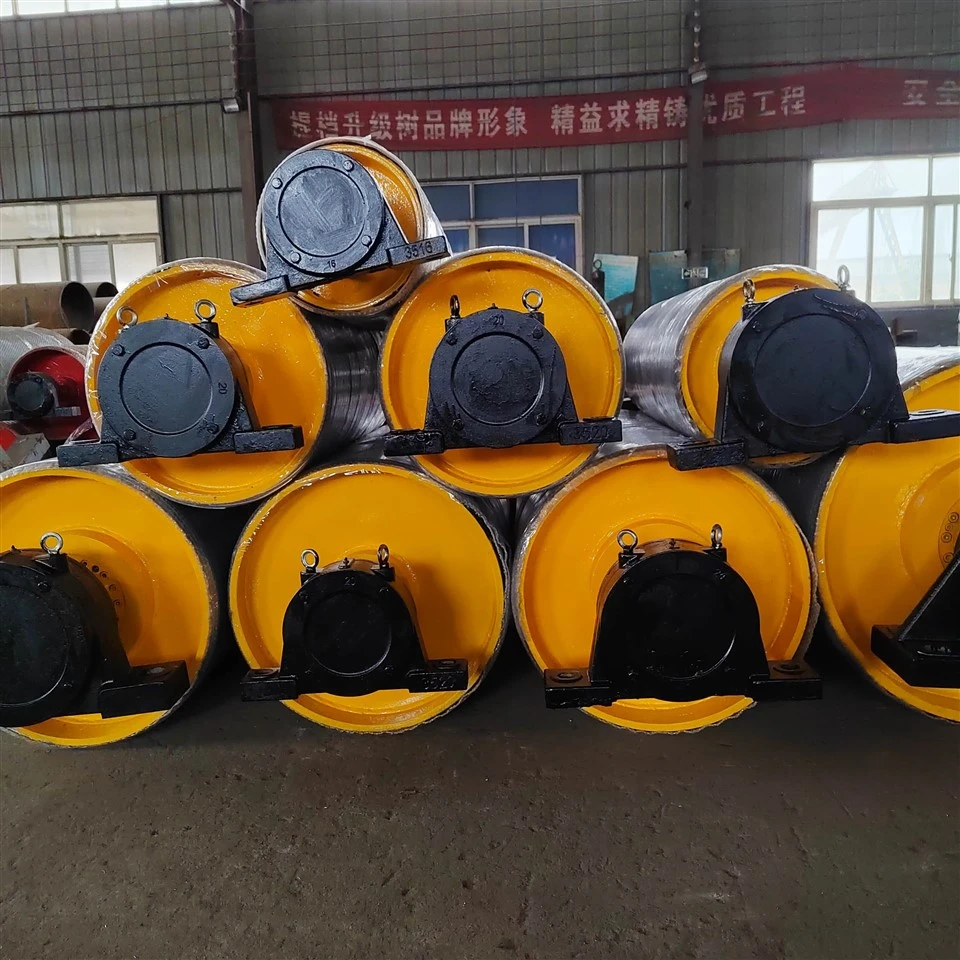

1. Choose the Right Material
The material of the conveyor head drum plays a huge role in its reliability. You wanna pick a material that can withstand the environmental conditions it'll be exposed to, as well as the load it'll have to carry.
For instance, if your conveyor operates in a wet or corrosive environment, stainless steel or galvanized steel drums are great choices. They're resistant to rust and corrosion, which can significantly extend the drum's lifespan. On the other hand, if you're dealing with heavy loads, a drum made of high - strength carbon steel might be more suitable. It can handle the stress without deforming easily.
2. Proper Installation
Installation is key. If the conveyor head drum isn't installed correctly, it can lead to all sorts of problems down the line.
First off, make sure the drum is perfectly aligned. Misalignment can cause uneven wear on the drum surface and the conveyor belt. You can use alignment tools to ensure that the drum is parallel to the conveyor frame and perpendicular to the belt.
Also, check the mounting bolts regularly. Over time, vibrations from the conveyor can cause these bolts to loosen. Loose bolts can lead to drum movement, which can damage the belt and other components of the conveyor system.
3. Regular Maintenance
Maintenance is an ongoing process that can't be ignored. Here are some maintenance tasks you should do regularly:
Cleaning: Keep the drum clean. Dust, dirt, and debris can accumulate on the drum surface, which can affect its performance. You can use a soft brush or compressed air to clean the drum. Make sure to clean it at least once a week, or more frequently if the environment is particularly dirty.
Lubrication: If your drum has bearings, proper lubrication is essential. Lubrication reduces friction between the moving parts, which can prevent overheating and premature wear. Check the lubricant level regularly and top it up as needed. Follow the manufacturer's recommendations for the type of lubricant to use.
Inspection: Regularly inspect the drum for signs of wear and damage. Look for cracks, dents, or uneven wear on the drum surface. If you notice any issues, address them immediately. A small problem can quickly turn into a big one if left untreated.
4. Upgrade to High - Quality Components
Sometimes, the reliability of your conveyor head drum can be improved by upgrading to high - quality components.
For example, consider using high - quality bearings. Good bearings can handle higher loads and have a longer lifespan. They also reduce the amount of friction, which can save energy and improve the overall efficiency of the conveyor system.
You might also want to look into upgrading the drum's coating. A high - quality coating can provide additional protection against wear, corrosion, and abrasion. It can also improve the grip between the drum and the belt, which can prevent slippage.
5. Consider Complementary Components
The conveyor head drum doesn't work in isolation. It interacts with other components of the conveyor system, such as Bend Pulley and Snub Pulley and Conveyor Snub Pulley.
Using high - quality complementary components can enhance the reliability of the entire system. For example, a well - designed snub pulley can increase the wrap angle of the belt around the head drum, which improves the belt's grip and reduces the risk of slippage. Similarly, a reliable Conveyor Tail Drum can help maintain proper tension in the belt, which is crucial for the smooth operation of the conveyor.
6. Training for Operators
Your operators play a vital role in the reliability of the conveyor head drum. Make sure they're properly trained on how to operate the conveyor system safely and efficiently.
Training should include how to start and stop the conveyor correctly, how to monitor the drum's performance, and what to do in case of an emergency. Operators should also be aware of the importance of regular maintenance and how to perform basic maintenance tasks.
By empowering your operators with the right knowledge and skills, you can reduce the risk of human - error - related problems and ensure that the conveyor head drum operates at its best.
7. Data Monitoring and Analysis
In today's digital age, data monitoring and analysis can provide valuable insights into the performance of your conveyor head drum.
You can install sensors on the drum to monitor parameters such as temperature, vibration, and load. By collecting and analyzing this data, you can detect potential problems early on and take preventive measures.
For example, if the temperature of the drum starts to rise abnormally, it could indicate a problem with the bearings or excessive friction. By addressing the issue before it causes a breakdown, you can save time and money on repairs.
Conclusion
Improving the reliability of a conveyor head drum is a multi - faceted process. It involves choosing the right material, proper installation, regular maintenance, upgrading components, considering complementary parts, training operators, and using data monitoring.
As a Conveyor Head Drum supplier, I'm here to help you every step of the way. Whether you need advice on choosing the right drum for your application or assistance with maintenance and upgrades, don't hesitate to reach out. We're committed to providing you with high - quality products and excellent service. If you're interested in purchasing conveyor head drums or have any questions about improving their reliability, feel free to contact us for a procurement discussion.
References
- Conveyor Handbook: A comprehensive guide to conveyor systems and components.
- Manufacturer's specifications for conveyor head drums and related components.
- Industry research papers on conveyor system reliability and maintenance.


