

As a supplier of Mining Conveyor, I've witnessed firsthand the critical role these conveyors play in the mining industry. Over time, like any mechanical equipment, mining conveyors are subject to performance degradation. This degradation can lead to reduced efficiency, increased maintenance costs, and even safety risks. In this blog, I'll share some insights on how to assess the performance degradation of a mining conveyor over time.
Understanding the Basics of Mining Conveyor Performance
Before delving into the assessment methods, it's essential to understand the key performance indicators (KPIs) of a mining conveyor. These KPIs include throughput, belt speed, power consumption, and the overall reliability of the system. Throughput refers to the amount of material the conveyor can transport within a given time frame. Belt speed is crucial as it directly affects the throughput and the efficiency of the conveyor. Power consumption is an important metric as it reflects the energy efficiency of the system. Reliability, on the other hand, is measured by the frequency of breakdowns and the time taken to repair them.
Visual Inspection
One of the simplest yet most effective ways to assess the performance degradation of a mining conveyor is through visual inspection. Regular visual inspections can help identify signs of wear and tear, such as frayed belts, damaged rollers, and loose fasteners. For instance, a frayed Concrete Conveyor Belt can indicate excessive friction or improper tension, which can lead to reduced throughput and increased power consumption. Damaged rollers can cause uneven belt movement, leading to belt misalignment and potential spills. Loose fasteners can pose a safety risk and may also contribute to the overall instability of the conveyor.
Visual inspections should be conducted at regular intervals, and any issues identified should be documented and addressed promptly. It's also a good practice to take photos or videos during the inspection to track the progression of wear and tear over time.
Monitoring Belt Tension
Belt tension is a critical factor in the performance of a mining conveyor. Over time, the belt can stretch, leading to a decrease in tension. Insufficient belt tension can cause slippage, which reduces the throughput and increases the power consumption of the conveyor. On the other hand, excessive belt tension can lead to premature wear of the belt and other components.
To monitor belt tension, you can use tension sensors or load cells. These devices can provide real-time data on the belt tension, allowing you to adjust it as needed. Regularly checking the belt tension and making necessary adjustments can help prevent performance degradation and extend the lifespan of the conveyor.
Analyzing Power Consumption
Power consumption is a direct indicator of the efficiency of a mining conveyor. An increase in power consumption over time can be a sign of performance degradation. There are several factors that can contribute to increased power consumption, such as worn-out components, belt misalignment, and excessive friction.
To analyze power consumption, you can use power meters or energy monitoring systems. These devices can record the power consumption of the conveyor over time, allowing you to identify trends and anomalies. By comparing the power consumption data with the conveyor's design specifications, you can determine if there are any issues that need to be addressed.
Measuring Throughput
Throughput is one of the most important performance indicators of a mining conveyor. A decrease in throughput over time can indicate performance degradation. There are several factors that can affect throughput, such as belt speed, belt width, and the angle of inclination.
To measure throughput, you can use flow meters or weigh scales. These devices can provide accurate data on the amount of material being transported by the conveyor. By regularly measuring the throughput and comparing it with the design capacity of the conveyor, you can identify any issues that may be causing a decrease in performance.
Assessing Roller Performance
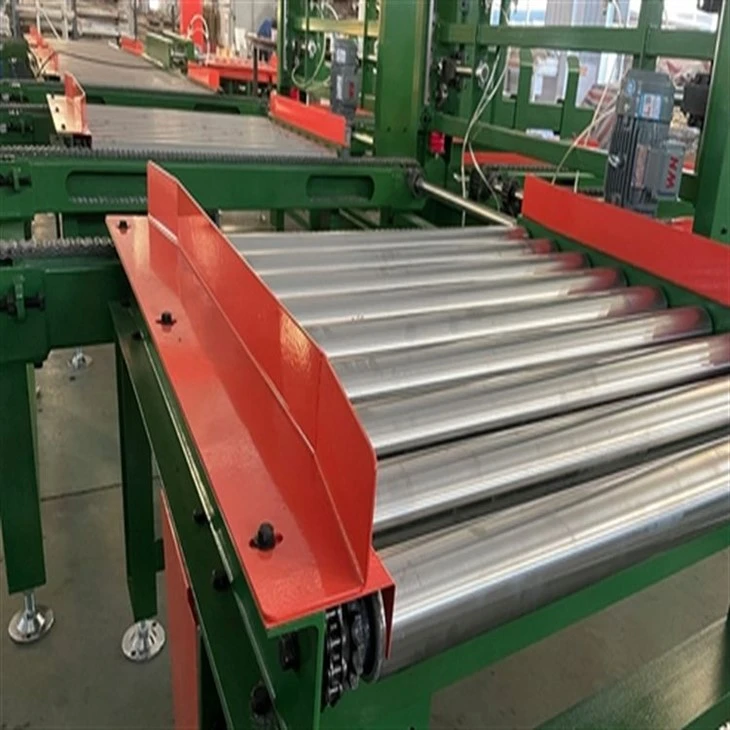
Rollers are an essential component of a mining conveyor. They support the belt and help it move smoothly. Over time, rollers can wear out, leading to increased friction and reduced efficiency. Signs of roller wear include uneven rotation, excessive noise, and visible damage.
To assess roller performance, you can use vibration sensors or temperature sensors. These devices can detect abnormal vibrations or temperature increases, which can indicate roller wear. Regularly inspecting the rollers and replacing any worn-out ones can help maintain the performance of the conveyor.

Evaluating Belt Alignment
Belt alignment is crucial for the proper functioning of a mining conveyor. Misaligned belts can cause a variety of problems, such as increased wear, reduced throughput, and potential spills. Signs of belt misalignment include uneven belt wear, belt tracking issues, and excessive noise.
To evaluate belt alignment, you can use alignment sensors or laser alignment tools. These devices can provide accurate data on the belt alignment, allowing you to make necessary adjustments. Regularly checking the belt alignment and correcting any misalignment can help prevent performance degradation and ensure the safe operation of the conveyor.
Considering Environmental Factors
Environmental factors can also have a significant impact on the performance of a mining conveyor. Harsh conditions, such as extreme temperatures, dust, and moisture, can accelerate the wear and tear of the conveyor components. For example, high temperatures can cause the belt to expand and contract, leading to increased stress and potential damage. Dust and moisture can also cause corrosion and wear of the rollers and other components.
To mitigate the effects of environmental factors, you can take several measures, such as installing dust covers, using corrosion-resistant materials, and providing proper ventilation. By considering the environmental conditions and taking appropriate precautions, you can help prevent performance degradation and extend the lifespan of the conveyor.
Conclusion
Assessing the performance degradation of a mining conveyor over time is essential for maintaining its efficiency, reliability, and safety. By using a combination of visual inspection, monitoring belt tension, analyzing power consumption, measuring throughput, assessing roller performance, evaluating belt alignment, and considering environmental factors, you can identify and address any issues before they become major problems.
If you're in the market for a high-quality Mining Conveyor or need assistance with assessing the performance of your existing conveyor, we're here to help. Our team of experts has extensive experience in the mining industry and can provide you with the solutions you need. Contact us today to discuss your requirements and explore how we can help you optimize the performance of your mining conveyor.
References
- "Belt Conveyor Handbook" by CEMA (Conveyor Equipment Manufacturers Association)
- "Mining Conveyor Systems: Design, Operation, and Maintenance" by John Doe
- "Industrial Conveyor Technology" by Jane Smith


