

Hey there! As a supplier of Conveyor Tail Drums, I often get asked the question: How often should a conveyor tail drum be replaced? Well, there's no one - size - fits - all answer to this question, as it depends on a bunch of factors. Let's dive into it and figure out what you need to consider when it comes to replacing your conveyor tail drum.
First off, let's understand what a Conveyor Tail Drum is. A Conveyor Tail Drum is an essential part of a conveyor system. It's usually located at the end of the conveyor and helps to support the conveyor belt and guide it back to the start of the system. Think of it as the unsung hero that keeps the whole conveyor operation running smoothly.
1. Operating Conditions
One of the biggest factors that determine how often you should replace your conveyor tail drum is the operating conditions. If your conveyor is working in a harsh environment, the tail drum is going to take a beating.
Dust and Debris
For example, in mining or quarrying operations, there's a ton of dust and debris flying around. This dust can get into the bearings of the tail drum and cause wear and tear. Over time, the increased friction can lead to the drum not rotating as smoothly as it should. In such dusty environments, you might need to replace the tail drum every 6 - 12 months.
Moisture and Corrosion
On the other hand, if your conveyor is in a wet or humid environment, like a food processing plant or a wastewater treatment facility, corrosion becomes a major concern. Moisture can rust the drum and its components, weakening the structure. In these cases, you may need to replace the tail drum every 9 - 18 months, depending on how severe the moisture exposure is.
2. Load and Usage
The amount of load your conveyor is carrying and how often it's in use also play a huge role.
Heavy Loads
If your conveyor is constantly moving heavy materials, like large boulders in a construction site or heavy bags of cement in a warehouse, the tail drum has to bear a significant amount of stress. The extra weight can cause the drum to deform or the bearings to fail. For conveyors with heavy loads, it's a good idea to inspect the tail drum every 3 - 6 months and plan for a replacement every 1 - 2 years.
High - Usage Conveyors
Conveyors that are running 24/7, like those in large - scale manufacturing plants, are under constant strain. The continuous operation can lead to faster wear of the tail drum components. In these high - usage scenarios, you might need to replace the tail drum every 1 - 1.5 years.
3. Maintenance Practices
How well you maintain your conveyor tail drum can extend its lifespan significantly.
Regular Inspections
Performing regular inspections is crucial. Check for signs of wear, such as uneven wear on the drum surface, loose bearings, or any signs of corrosion. If you catch these issues early, you can often address them with minor repairs instead of having to replace the whole drum. For conveyors in normal operating conditions, a monthly visual inspection and a quarterly in - depth inspection are recommended.
Lubrication
Proper lubrication of the bearings is also essential. Lubrication reduces friction and helps the drum rotate smoothly. If the bearings aren't lubricated correctly, they can overheat and fail. Make sure to follow the manufacturer's recommendations for lubrication intervals. For most tail drums, lubrication every 3 - 6 months is a good rule of thumb.
4. Comparison with Other Drums in the Conveyor System
It's also interesting to compare the replacement frequency of the conveyor tail drum with other drums in the system, like the Conveyor Belt Head Drum. The head drum is usually located at the drive end of the conveyor and is responsible for powering the belt.
The head drum often experiences more stress because it's the one driving the belt forward. So, in some cases, the head drum may need to be replaced more frequently than the tail drum. However, this can vary depending on the specific design and operation of the conveyor system. Another related component is the Head Pulley Tail Pulley. Understanding the relationship between these components can help you better manage the maintenance and replacement schedule of your conveyor system.
5. Signs That It's Time to Replace
Even if you're following all the guidelines for maintenance and considering the operating conditions, there are some clear signs that it's time to replace your conveyor tail drum.
Excessive Noise
If you start hearing strange noises, like grinding or rattling, coming from the tail drum, it's a sign that something is wrong. This could be due to worn - out bearings or a damaged drum surface.
Vibration
Unusual vibration in the conveyor system can also indicate a problem with the tail drum. Excessive vibration can cause further damage to other parts of the conveyor, so it's important to address it quickly.
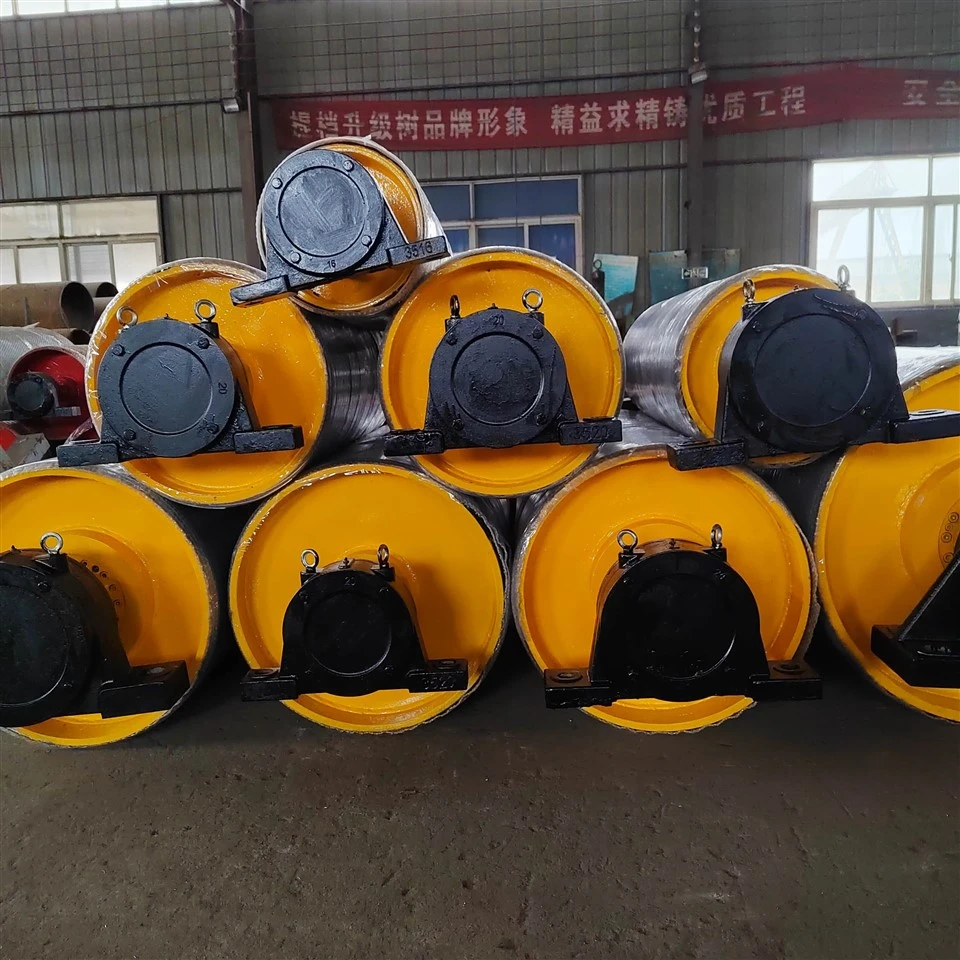

Visible Damage
If you can see visible signs of damage, such as cracks, dents, or significant corrosion on the drum, it's definitely time for a replacement.
Making the Right Decision
Deciding when to replace your conveyor tail drum is a balancing act. You don't want to replace it too early and waste money, but you also don't want to wait too long and risk a breakdown that could shut down your entire operation.
As a supplier of Conveyor Tail Drums, I've seen firsthand how different factors can affect the lifespan of these drums. By understanding your conveyor's operating conditions, load, and usage, and by following good maintenance practices, you can make an informed decision about when to replace your tail drum.
If you're still unsure about the replacement schedule for your conveyor tail drum, or if you're in the market for a new one, don't hesitate to reach out. We're here to help you find the right solution for your conveyor system. Whether you need advice on maintenance or are ready to make a purchase, we've got you covered. Contact us today to start the conversation and ensure your conveyor system runs smoothly for years to come.
References
- Conveyor Handbook: A comprehensive guide to conveyor systems and their components.
- Industry reports on conveyor maintenance and component lifespan.
- Manufacturer's specifications for Conveyor Tail Drums.


